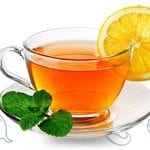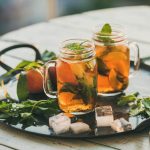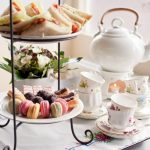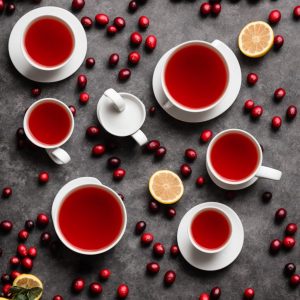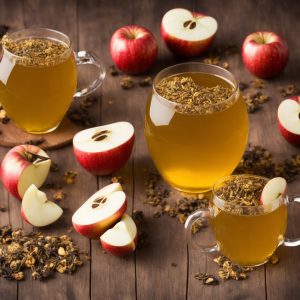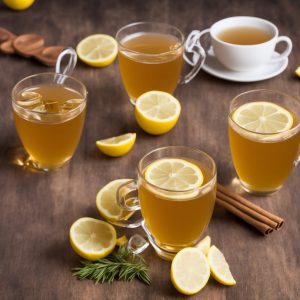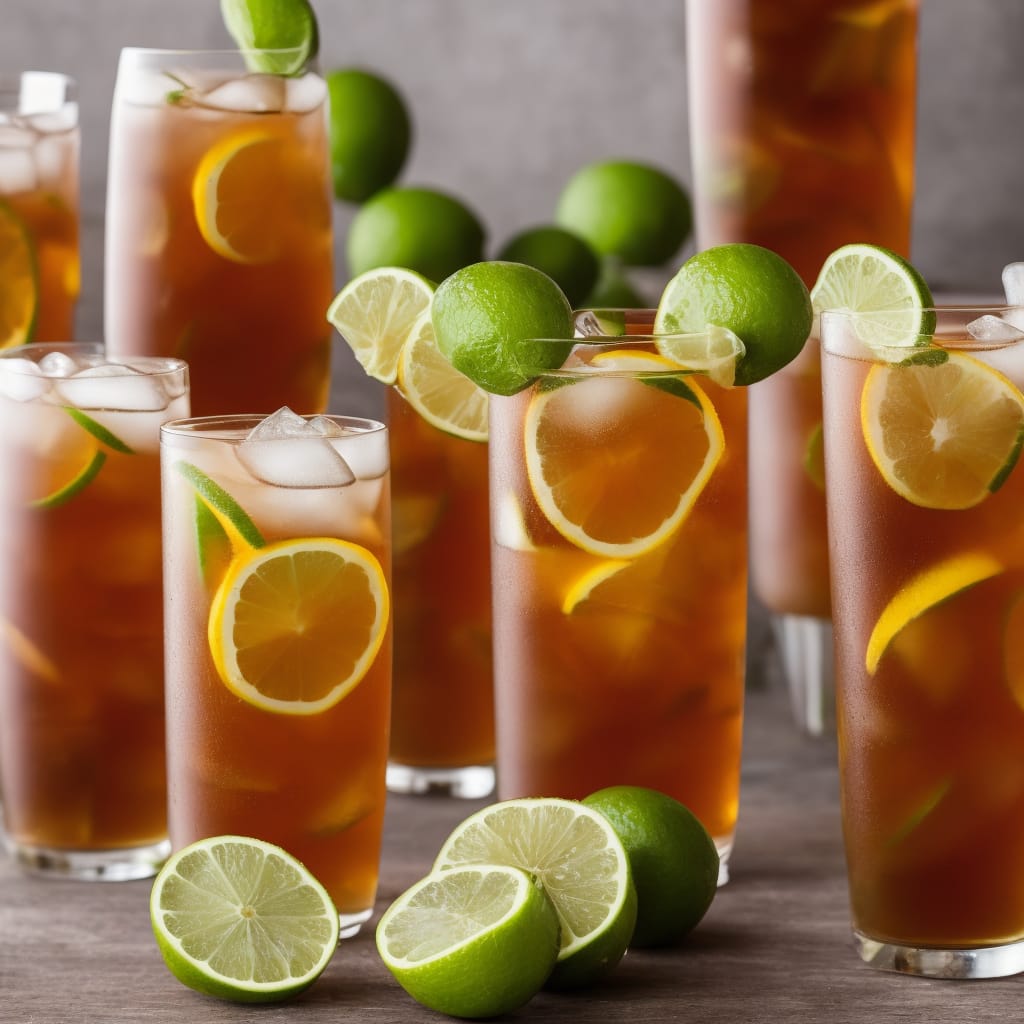
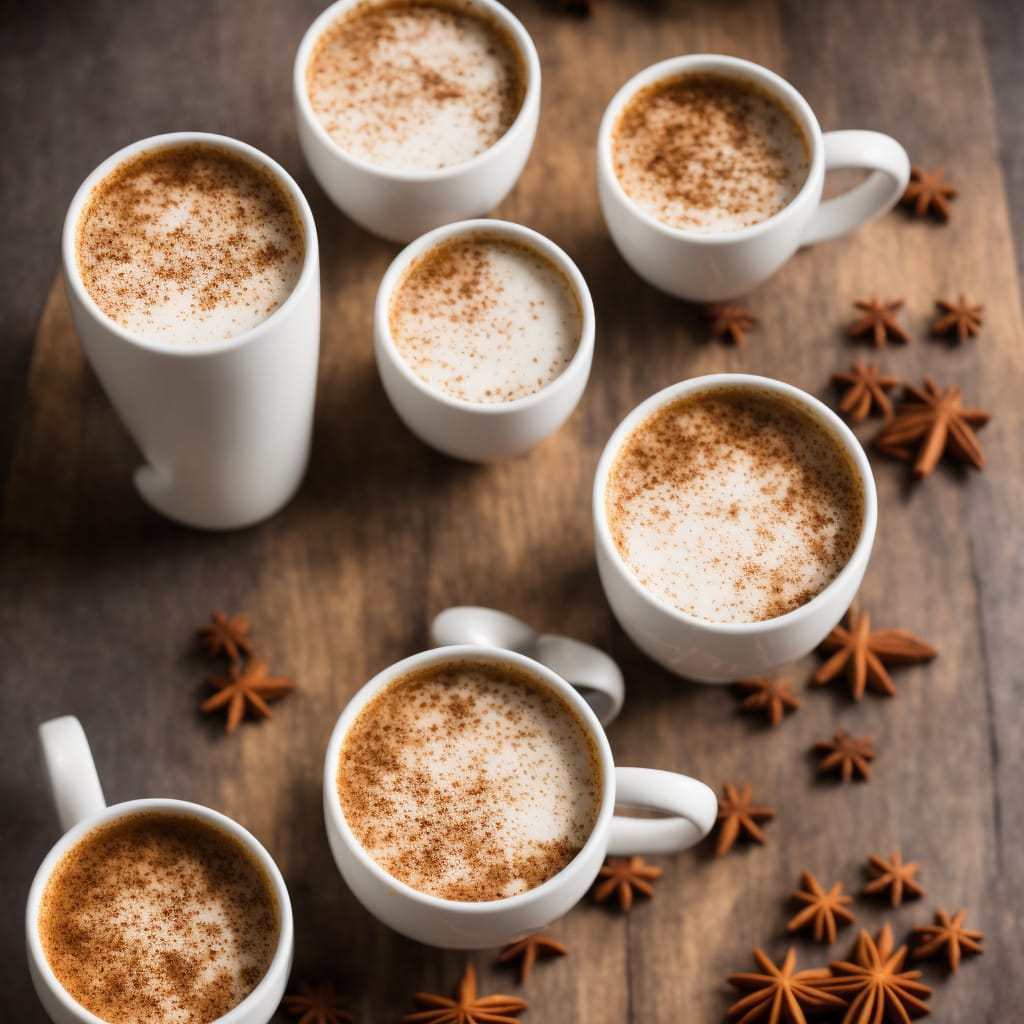
Tea is one of those aromatic beverages that works so well with biscuits and little treats. They are great sources of antioxidants and are good for your health. Settle in for a nice cup of hot tea to soothe your frazzled nerves, especially after a long day at work. These cups of warm delight can lift your spirits in many ways. But not all tea comes in warm, hence we have many iced tea recipes as well. Try tea as an ice-cold drink with added flavors of lemon, mint, and tasty spices. A cup of that is enough to energize you for the whole day. Or if you like a fancy cup of milk tea like the British royals, we also have just the right tea recipe for you. Find out how you can recreate these special homemade tea recipes today!
Read More
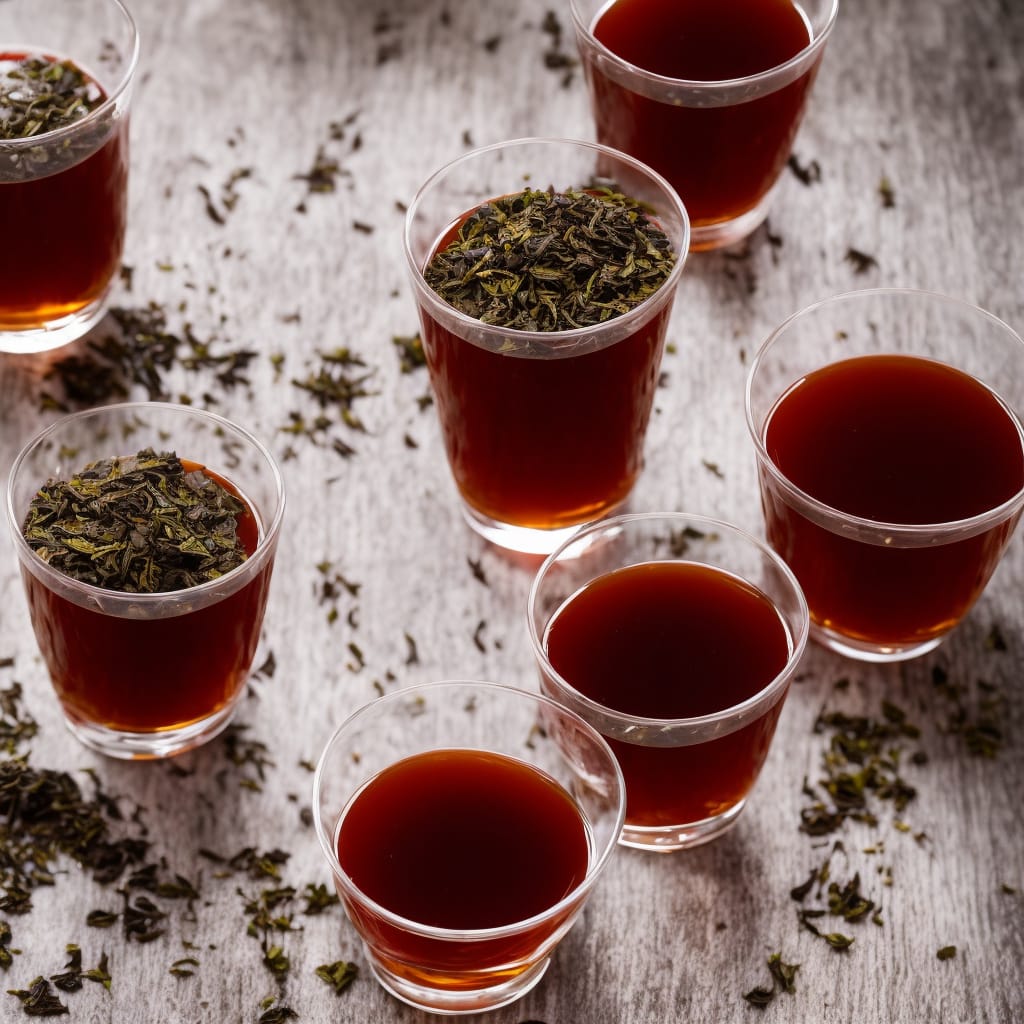
Tea is one of those aromatic beverages that works so well with biscuits and little treats. They are great sources of antioxidants and are good for your health. Settle in for a nice cup of hot tea to soothe your frazzled nerves, especially after a long day at work. These cups of warm delight can lift your spirits in many ways. But not all tea comes in warm, hence we have many iced tea recipes as well. Try tea as an ice-cold drink with added flavors of lemon, mint, and tasty spices. A cup of that is enough to energize you for the whole day. Or if you like a fancy cup of milk tea like the British royals, we also have just the right tea recipe for you. Find out how you can recreate these special homemade tea recipes today!
Read More
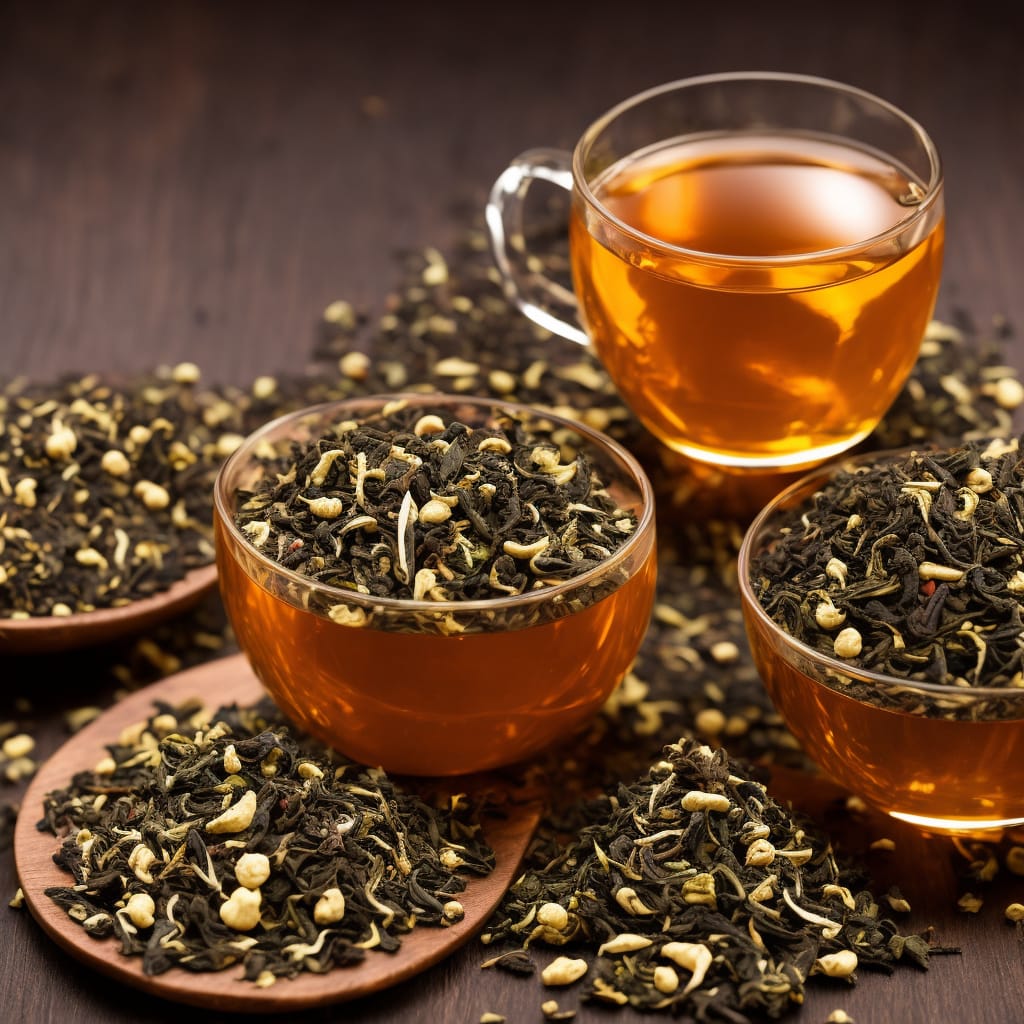
Tea is one of those aromatic beverages that works so well with biscuits and little treats. They are great sources of antioxidants and are good for your health. Settle in for a nice cup of hot tea to soothe your frazzled nerves, especially after a long day at work. These cups of warm delight can lift your spirits in many ways. But not all tea comes in warm, hence we have many iced tea recipes as well. Try tea as an ice-cold drink with added flavors of lemon, mint, and tasty spices. A cup of that is enough to energize you for the whole day. Or if you like a fancy cup of milk tea like the British royals, we also have just the right tea recipe for you. Find out how you can recreate these special homemade tea recipes today!
Read More
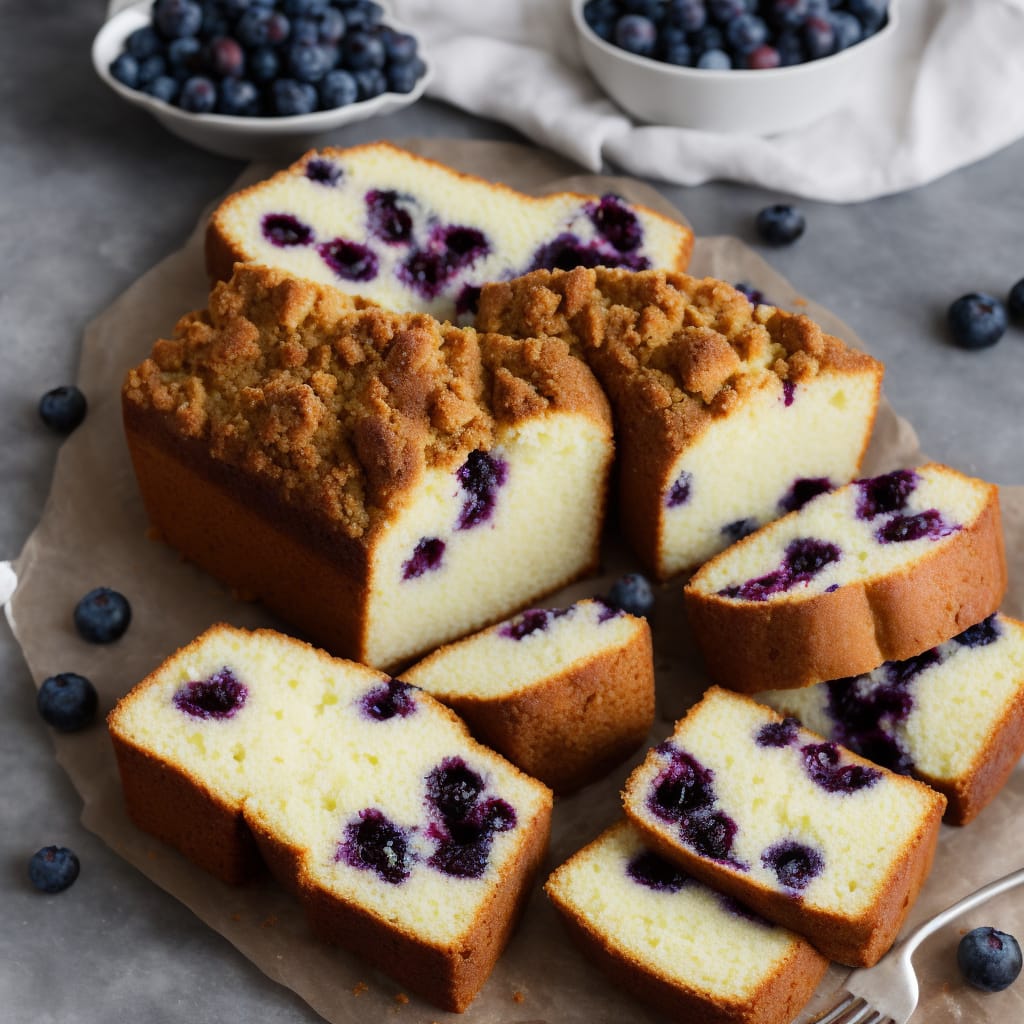
Cheesecakes are always a heavenly treat! It's soft, sweet, and easily melts in your mouth. Try our creative and tasty cheesecake recipes! You'll surely want to a bite out of every cheesecake you end up making.
Read More
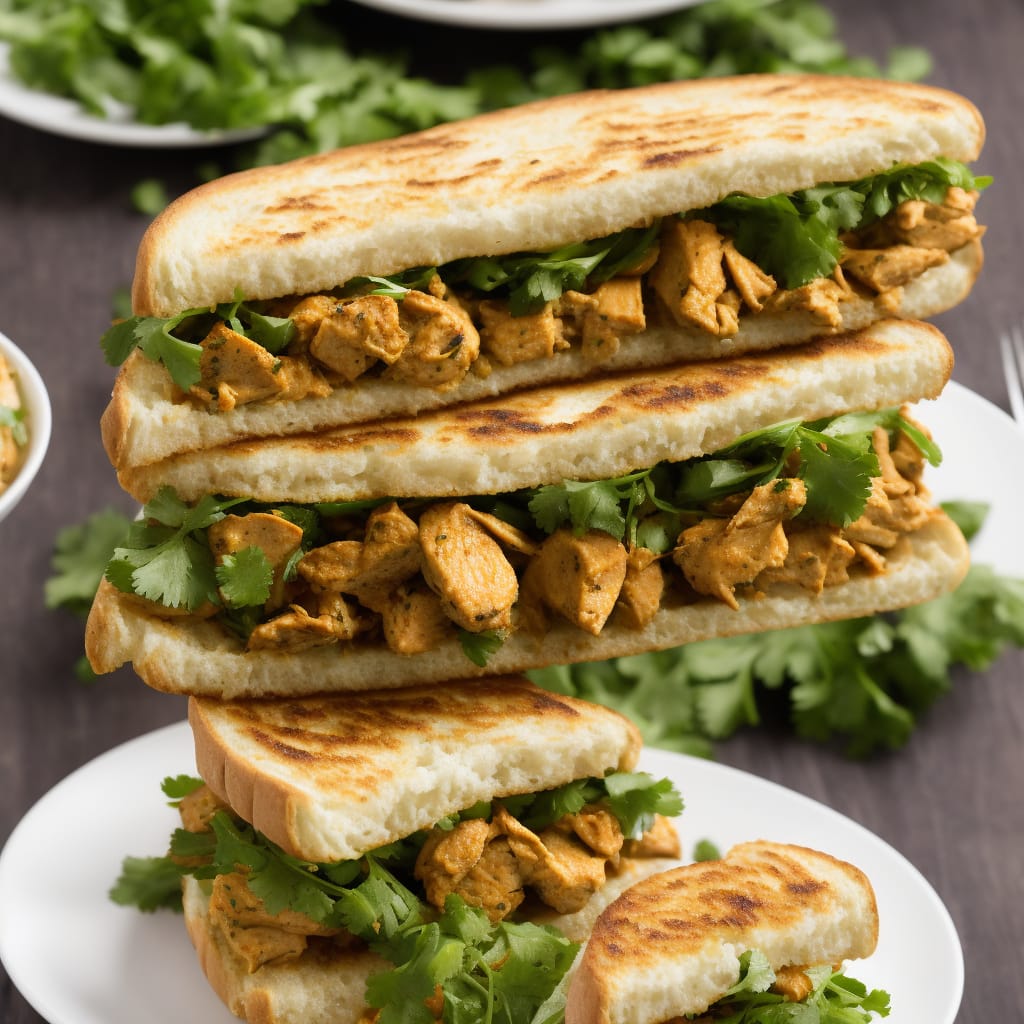
Get creative and experiment with different fillings to make the ultimate sandwich. These sandwich recipes come in handy for those looking for a quick, but filling bite. Enjoy a variety of sandwiches with tasty spreads, meats, and other sweet and savory fillings. Our sandwich recipes also come with unique and more well-known flavors! So get your favorite bread, and try out some of these flavorful sandwiches today.
Read More
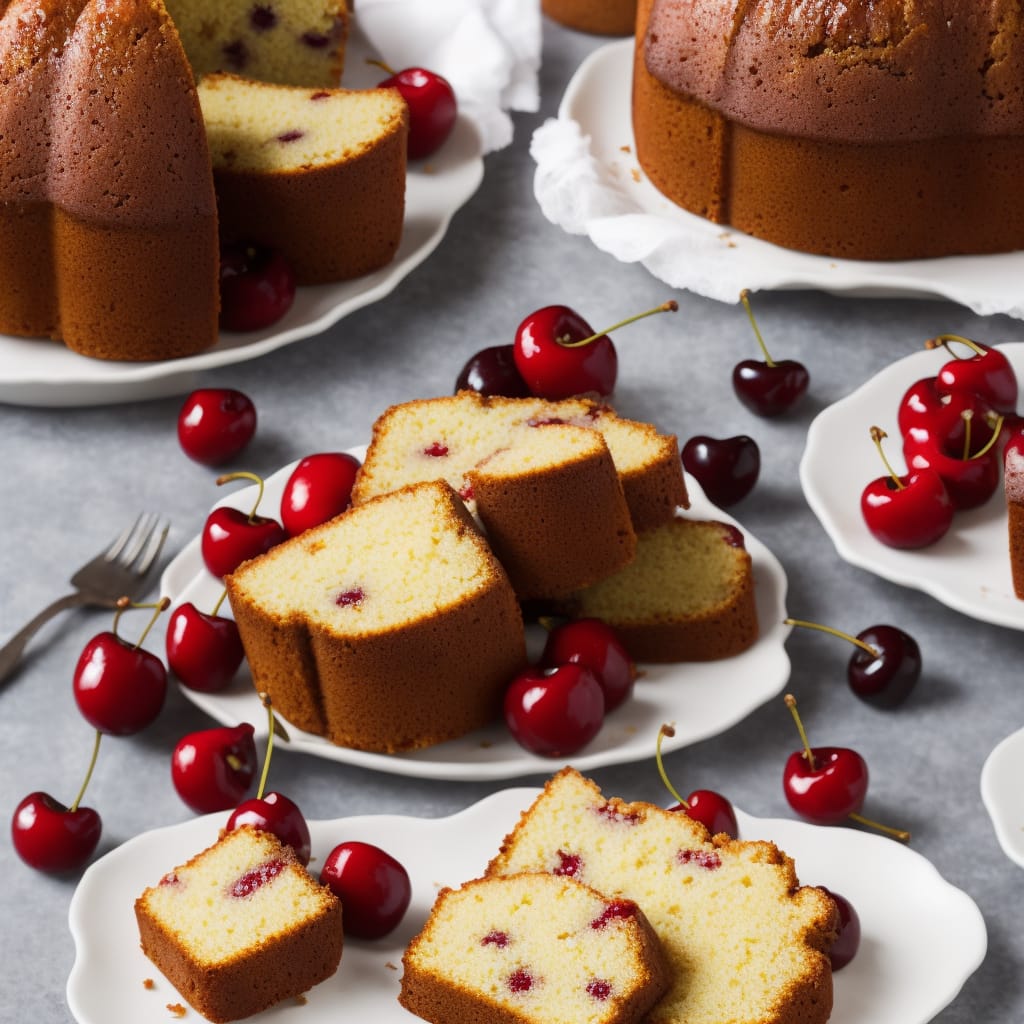
Cakes are the quintessential dessert. They're most popular as dessert for special celebrations like birthdays and weddings. Moreover, they're also great for wrapping up meals with something nice and airy. Make your favorite cake with our amazing cake recipes! Go as rich and as decadent as you want with delectable chocolate cakes. Or, keep things simple with yummy cheesecakes. Our amazing cake recipes will win the hearts of any dessert connoisseur!
Read More
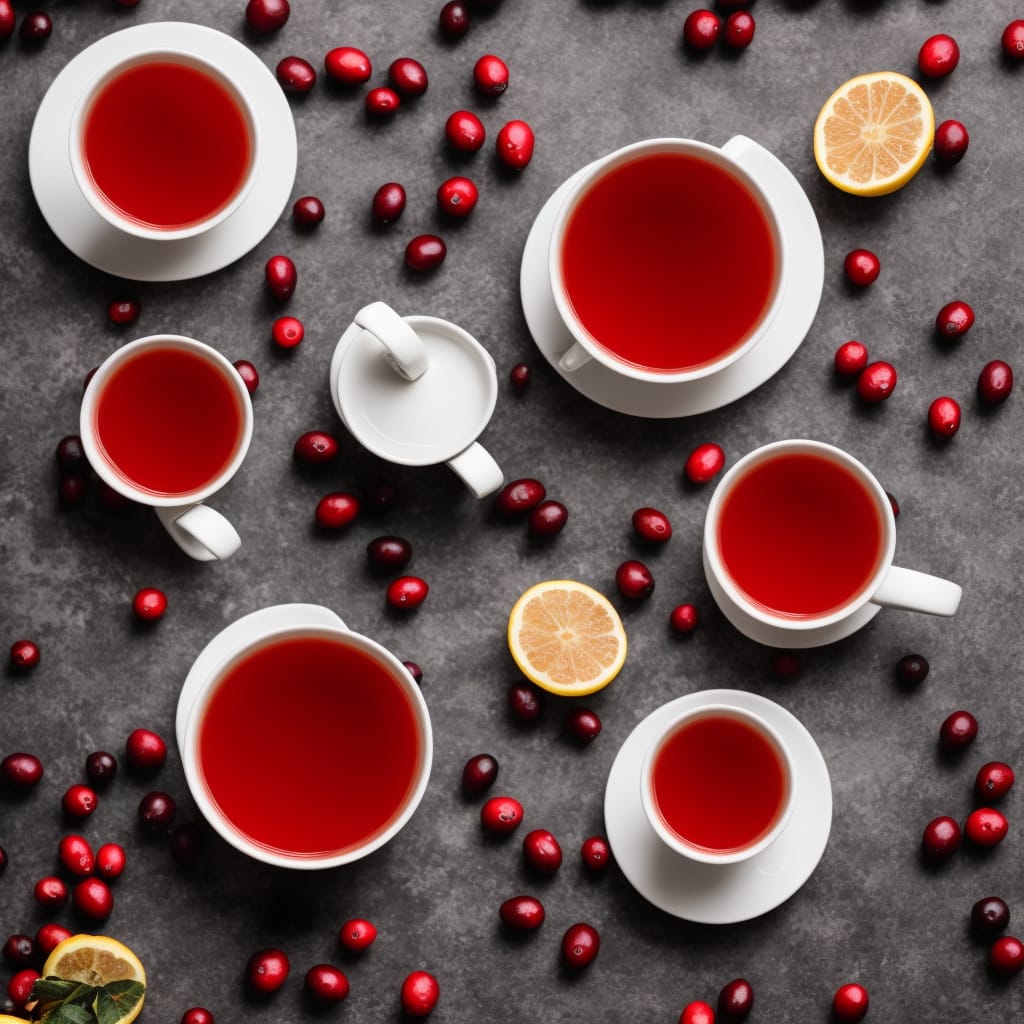
Tea is one of those aromatic beverages that works so well with biscuits and little treats. They are great sources of antioxidants and are good for your health. Settle in for a nice cup of hot tea to soothe your frazzled nerves, especially after a long day at work. These cups of warm delight can lift your spirits in many ways. But not all tea comes in warm, hence we have many iced tea recipes as well. Try tea as an ice-cold drink with added flavors of lemon, mint, and tasty spices. A cup of that is enough to energize you for the whole day. Or if you like a fancy cup of milk tea like the British royals, we also have just the right tea recipe for you. Find out how you can recreate these special homemade tea recipes today!
Read More
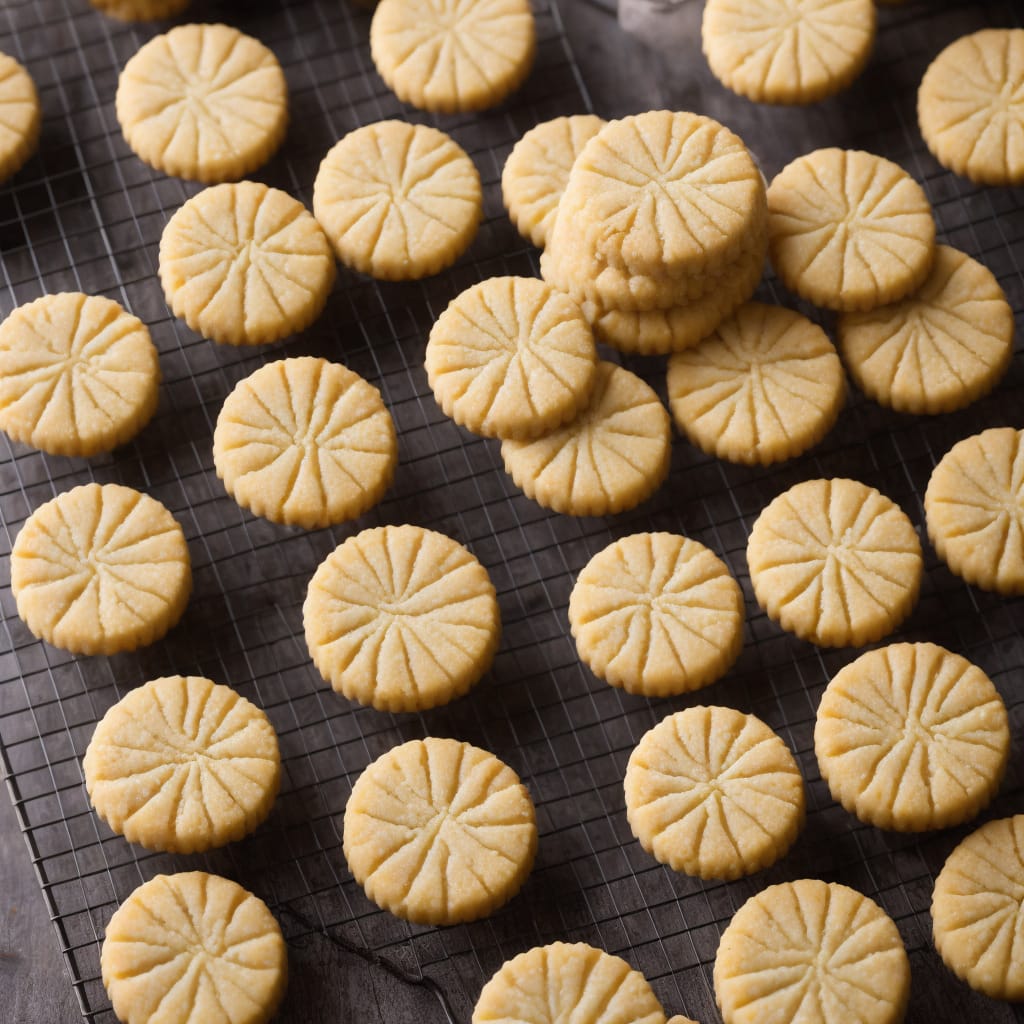
Make a fresh batch of everyone's favorite dessert! With these cookie recipes, you can bake all kinds of different sweet treats. Make a classic snack with chocolate chip cookies. Or, switch it up by adding nuts, raisins, and other ingredients to keep things interesting.
Read More
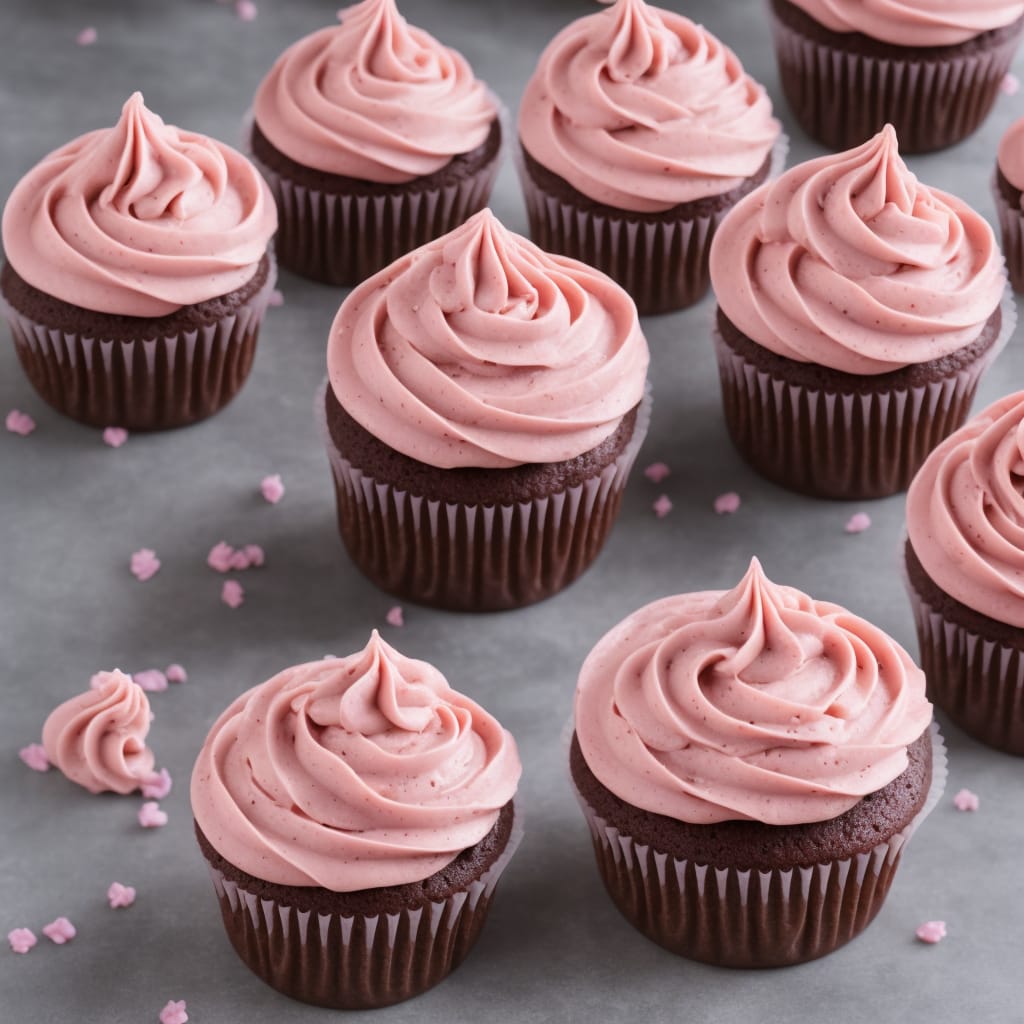
Sweet, creamy, and oh so irresistible! Make your own frosting with our saccharine variety of frosting recipes. They work amazingly on pastries and cakes to make them even tastier and aesthetically beautiful. Whip up the simple flavors like chocolate and peanut butter. You can also choose from a unique range of flavors like penuche, spiced cinnamon maple frosting, and more! Try these frosting recipes out for your next sweet adventure today.
Read More
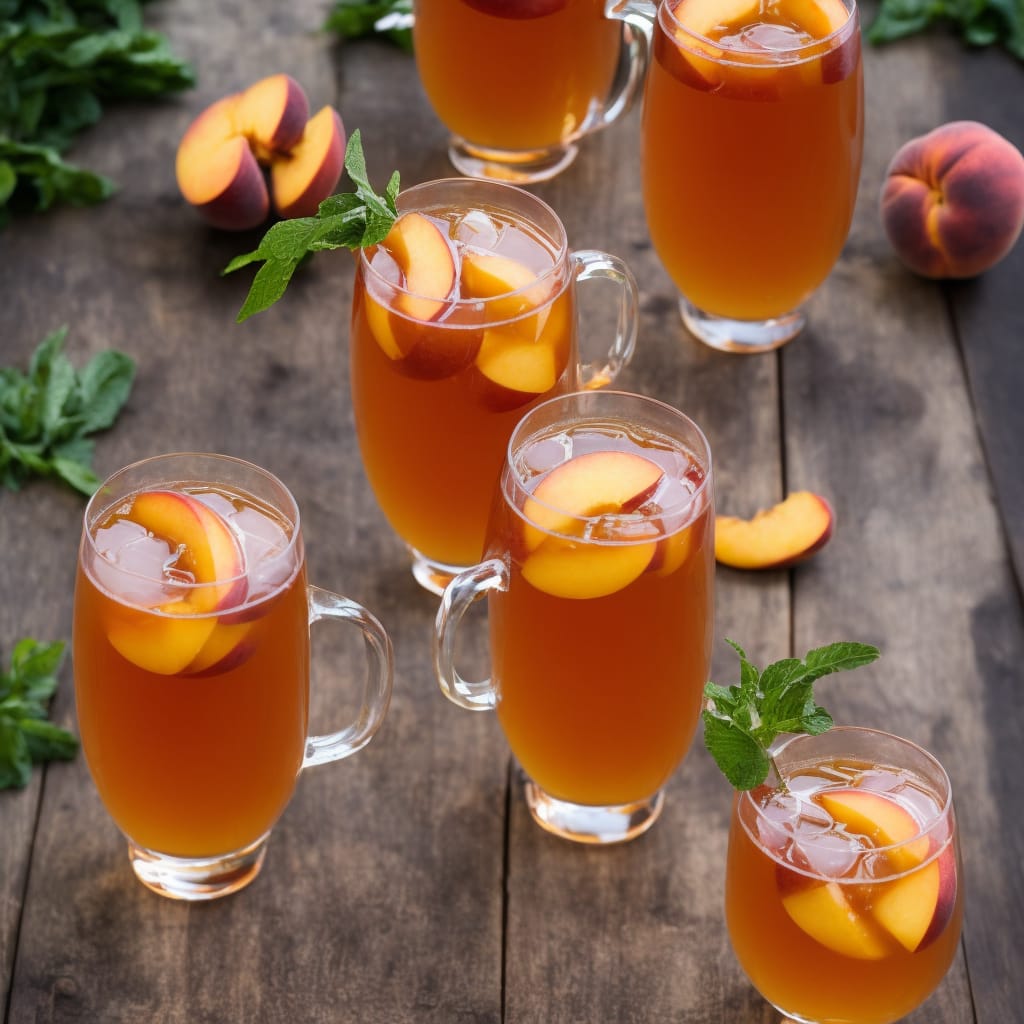
Tea is one of those aromatic beverages that works so well with biscuits and little treats. They are great sources of antioxidants and are good for your health. Settle in for a nice cup of hot tea to soothe your frazzled nerves, especially after a long day at work. These cups of warm delight can lift your spirits in many ways. But not all tea comes in warm, hence we have many iced tea recipes as well. Try tea as an ice-cold drink with added flavors of lemon, mint, and tasty spices. A cup of that is enough to energize you for the whole day. Or if you like a fancy cup of milk tea like the British royals, we also have just the right tea recipe for you. Find out how you can recreate these special homemade tea recipes today!
Read More
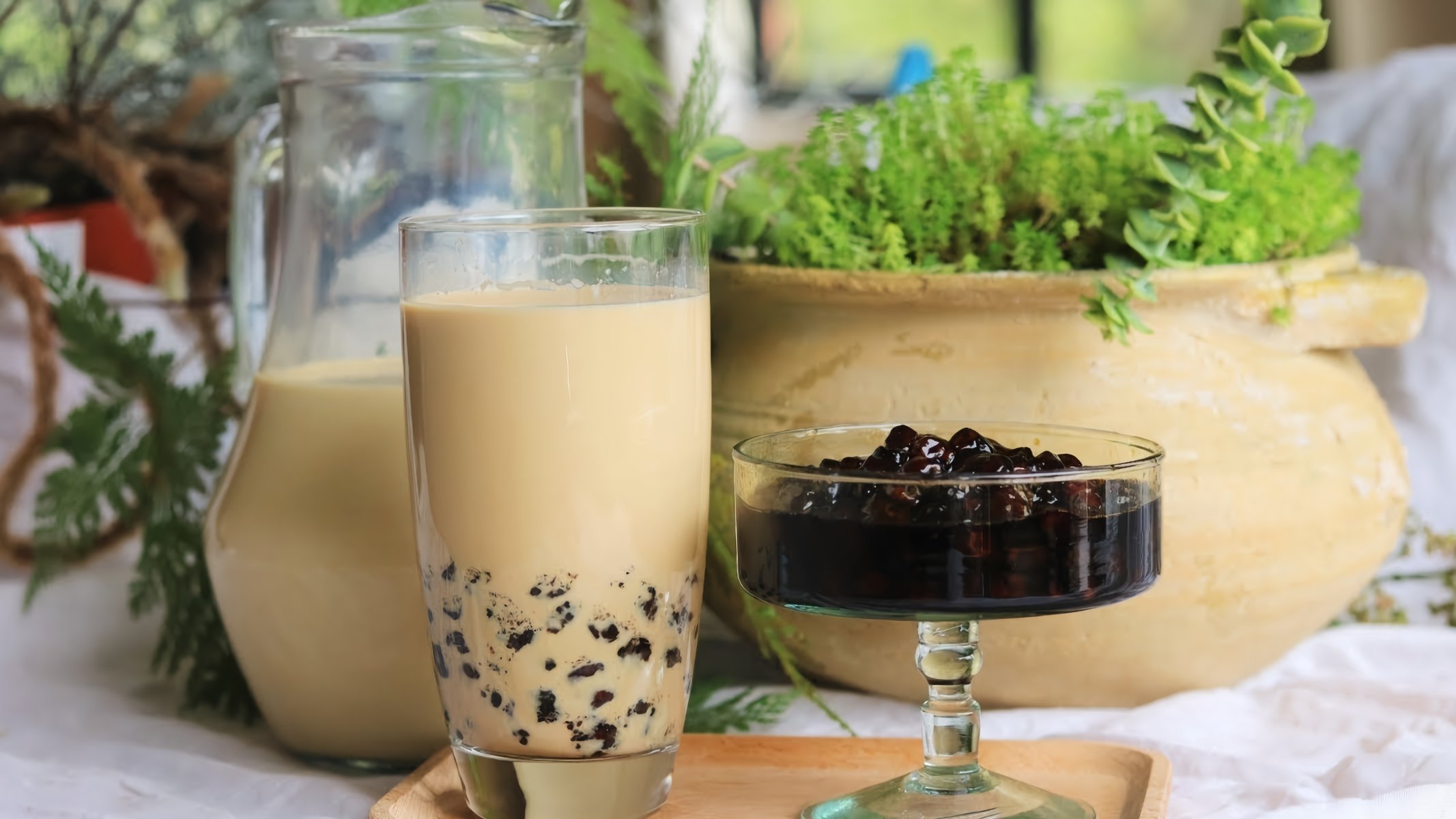
Tea is one of those aromatic beverages that works so well with biscuits and little treats. They are great sources of antioxidants and are good for your health. Settle in for a nice cup of hot tea to soothe your frazzled nerves, especially after a long day at work. These cups of warm delight can lift your spirits in many ways. But not all tea comes in warm, hence we have many iced tea recipes as well. Try tea as an ice-cold drink with added flavors of lemon, mint, and tasty spices. A cup of that is enough to energize you for the whole day. Or if you like a fancy cup of milk tea like the British royals, we also have just the right tea recipe for you. Find out how you can recreate these special homemade tea recipes today!
Read More
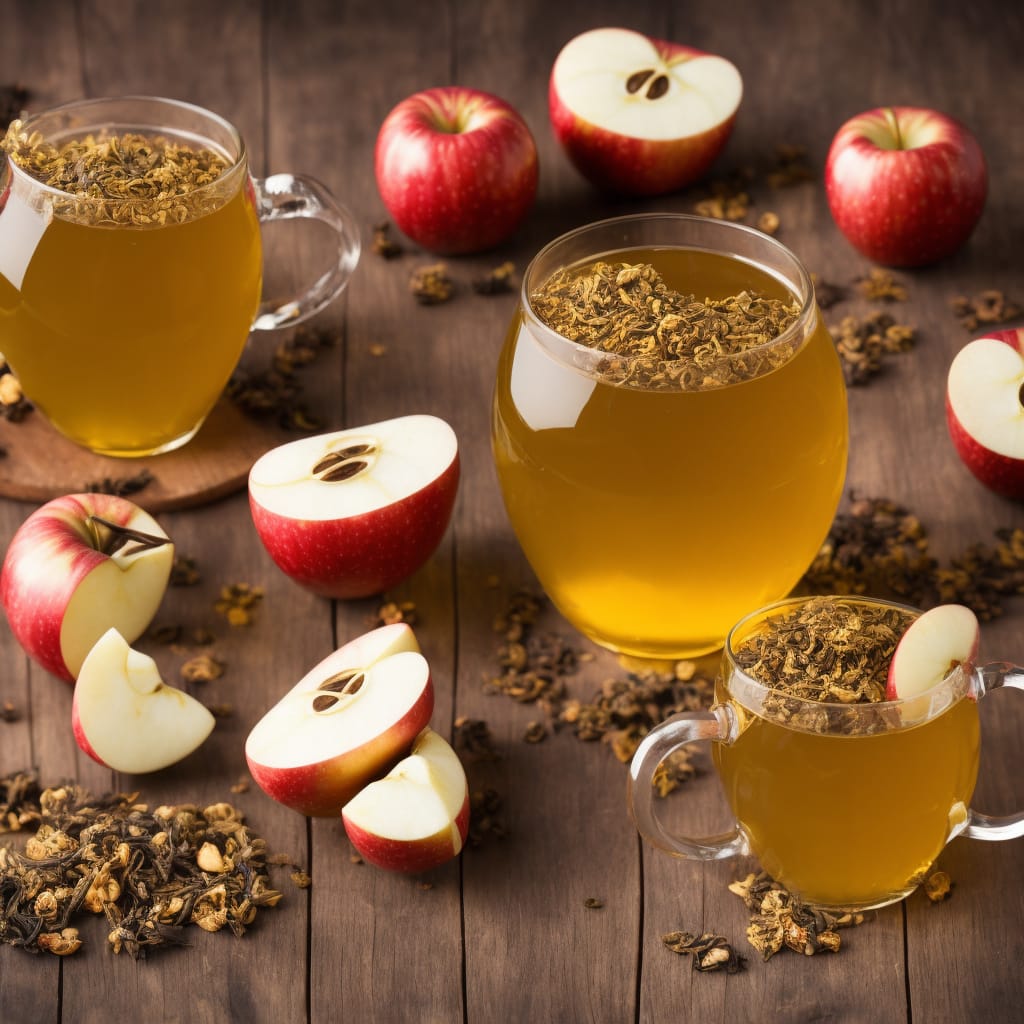
Tea is one of those aromatic beverages that works so well with biscuits and little treats. They are great sources of antioxidants and are good for your health. Settle in for a nice cup of hot tea to soothe your frazzled nerves, especially after a long day at work. These cups of warm delight can lift your spirits in many ways. But not all tea comes in warm, hence we have many iced tea recipes as well. Try tea as an ice-cold drink with added flavors of lemon, mint, and tasty spices. A cup of that is enough to energize you for the whole day. Or if you like a fancy cup of milk tea like the British royals, we also have just the right tea recipe for you. Find out how you can recreate these special homemade tea recipes today!
Read More
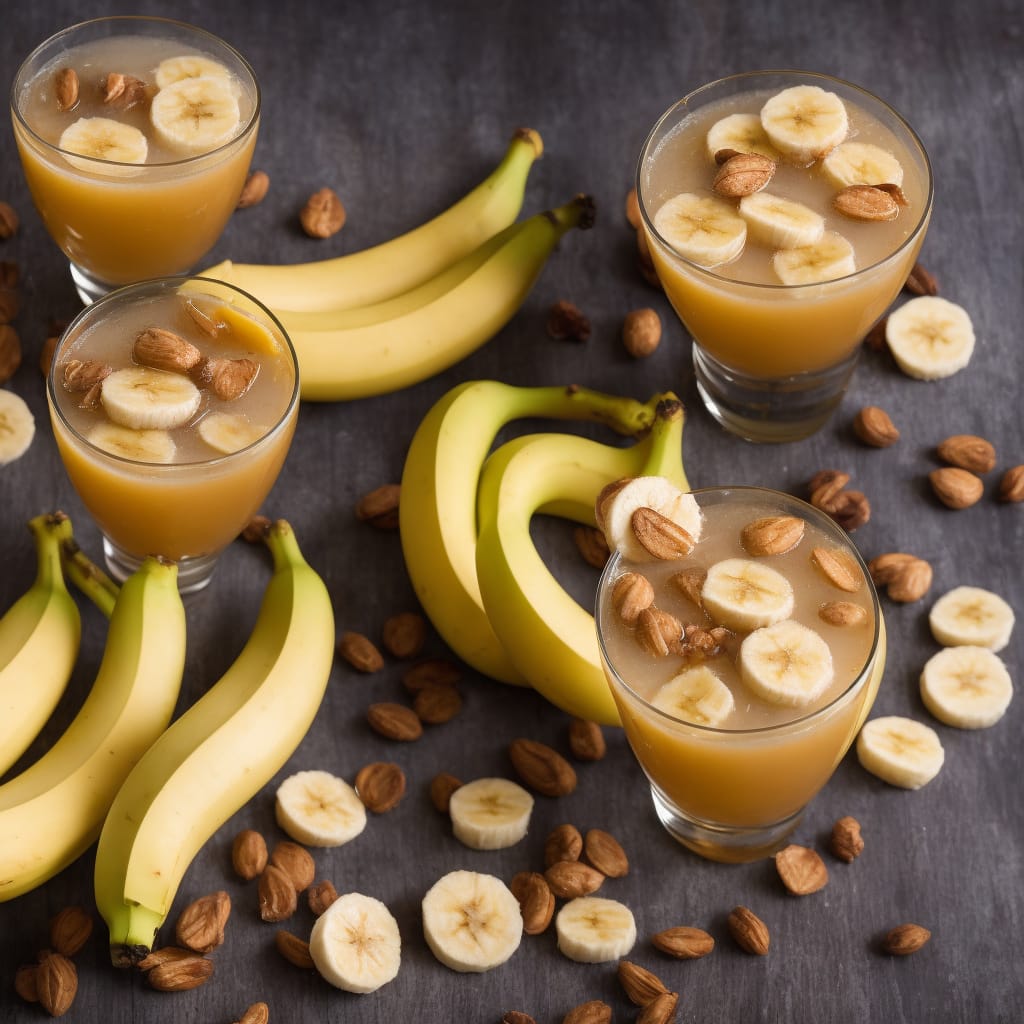
Tea is one of those aromatic beverages that works so well with biscuits and little treats. They are great sources of antioxidants and are good for your health. Settle in for a nice cup of hot tea to soothe your frazzled nerves, especially after a long day at work. These cups of warm delight can lift your spirits in many ways. But not all tea comes in warm, hence we have many iced tea recipes as well. Try tea as an ice-cold drink with added flavors of lemon, mint, and tasty spices. A cup of that is enough to energize you for the whole day. Or if you like a fancy cup of milk tea like the British royals, we also have just the right tea recipe for you. Find out how you can recreate these special homemade tea recipes today!
Read More
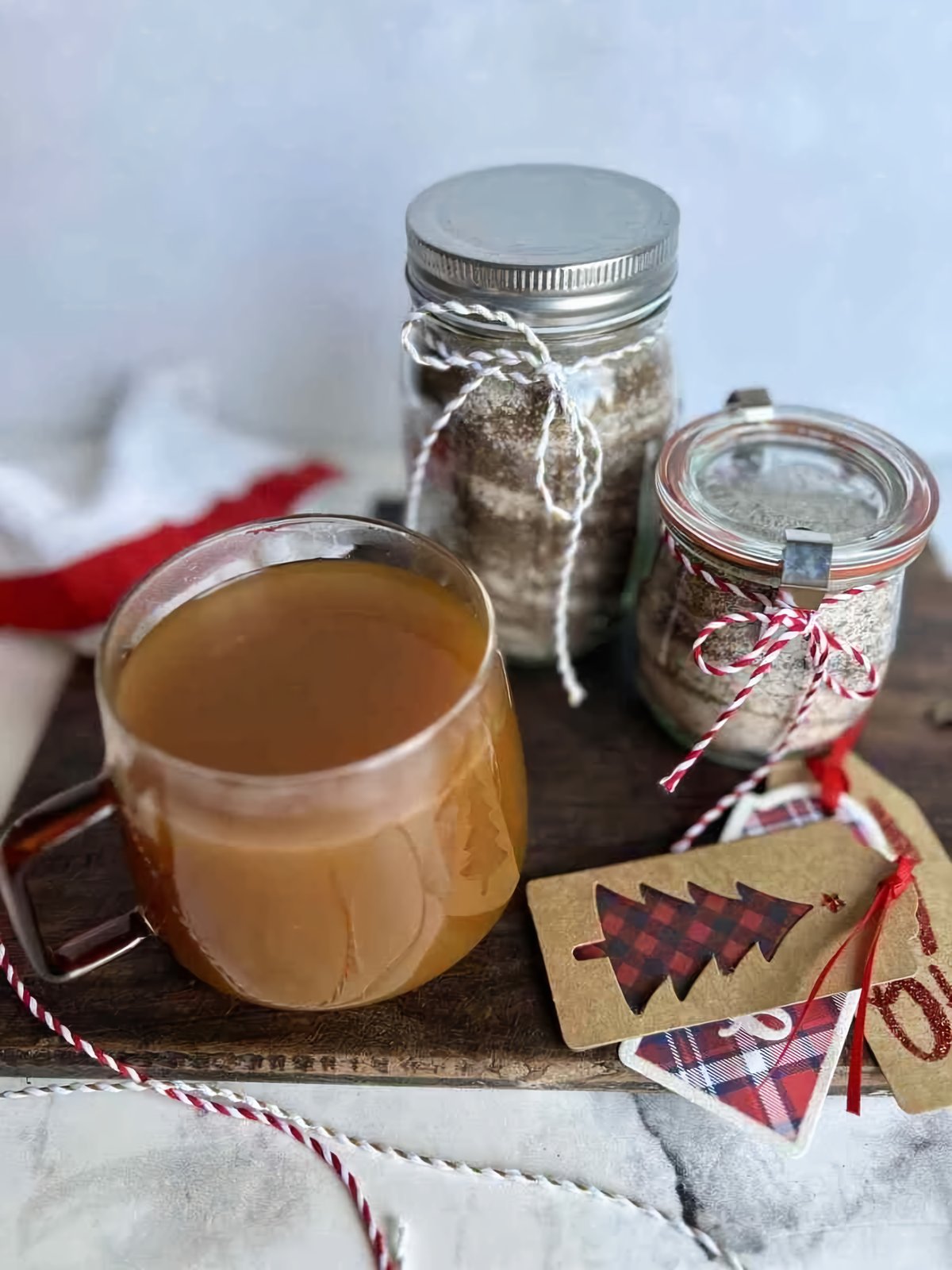
Tea is one of those aromatic beverages that works so well with biscuits and little treats. They are great sources of antioxidants and are good for your health. Settle in for a nice cup of hot tea to soothe your frazzled nerves, especially after a long day at work. These cups of warm delight can lift your spirits in many ways. But not all tea comes in warm, hence we have many iced tea recipes as well. Try tea as an ice-cold drink with added flavors of lemon, mint, and tasty spices. A cup of that is enough to energize you for the whole day. Or if you like a fancy cup of milk tea like the British royals, we also have just the right tea recipe for you. Find out how you can recreate these special homemade tea recipes today!
Read More
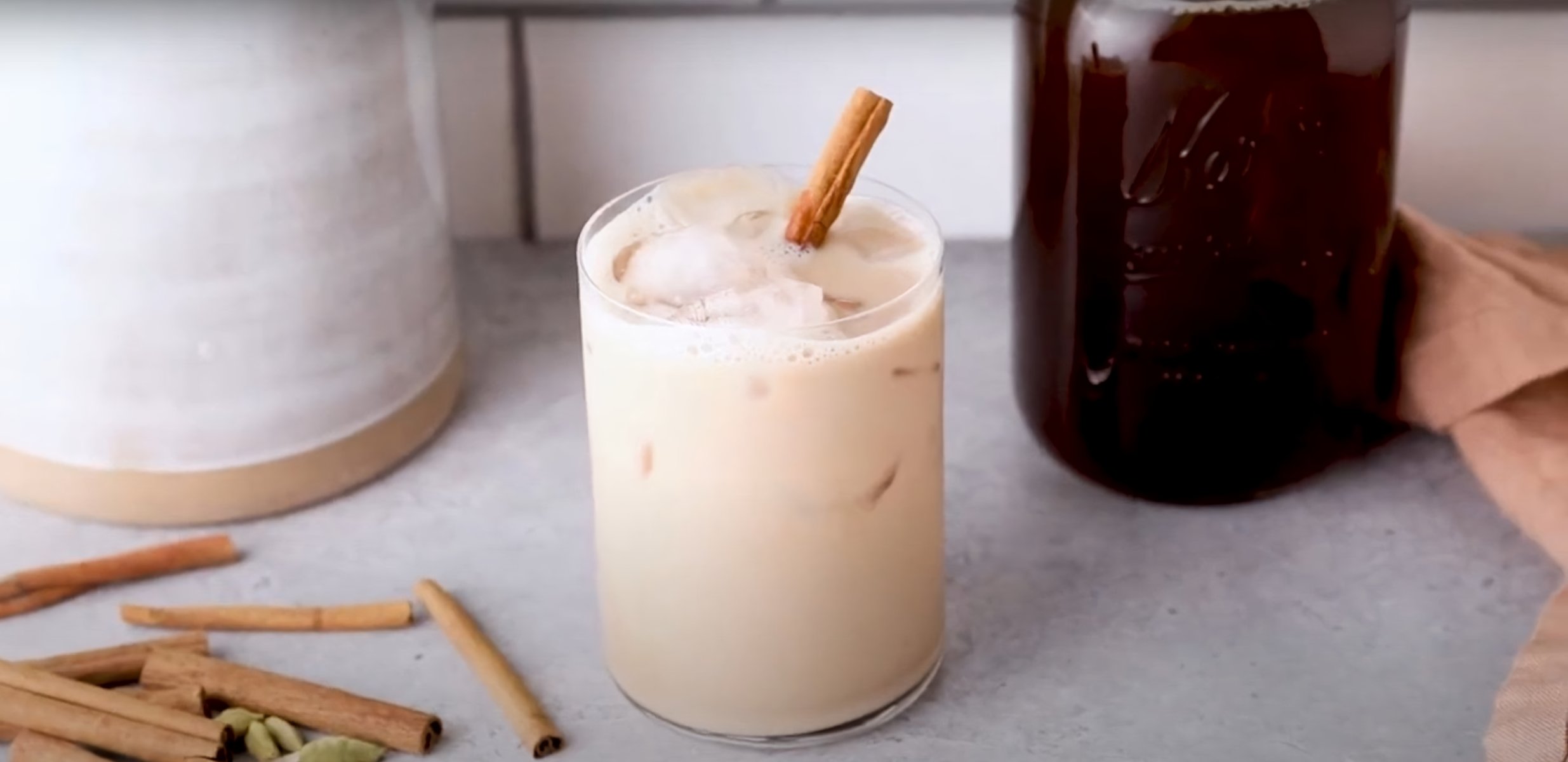
Tea is one of those aromatic beverages that works so well with biscuits and little treats. They are great sources of antioxidants and are good for your health. Settle in for a nice cup of hot tea to soothe your frazzled nerves, especially after a long day at work. These cups of warm delight can lift your spirits in many ways. But not all tea comes in warm, hence we have many iced tea recipes as well. Try tea as an ice-cold drink with added flavors of lemon, mint, and tasty spices. A cup of that is enough to energize you for the whole day. Or if you like a fancy cup of milk tea like the British royals, we also have just the right tea recipe for you. Find out how you can recreate these special homemade tea recipes today!
Read More
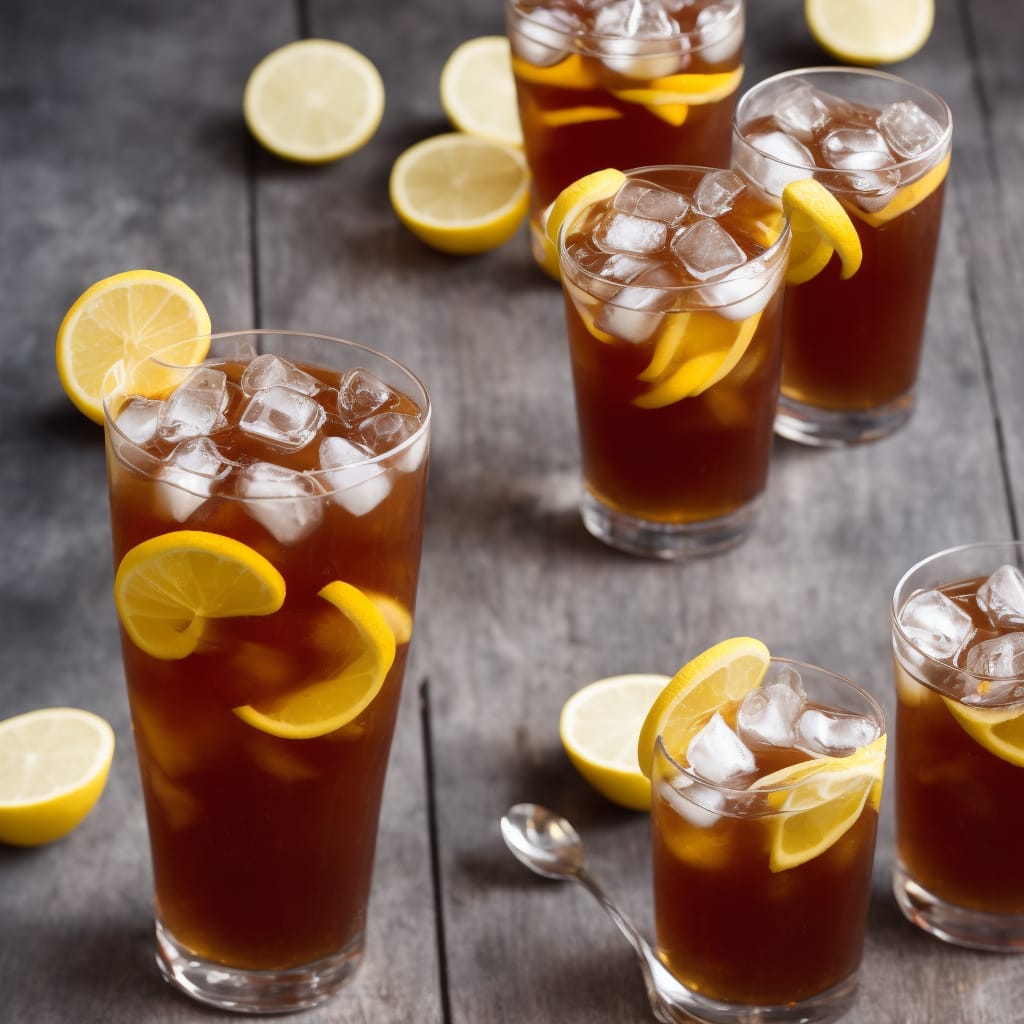
Tea is one of those aromatic beverages that works so well with biscuits and little treats. They are great sources of antioxidants and are good for your health. Settle in for a nice cup of hot tea to soothe your frazzled nerves, especially after a long day at work. These cups of warm delight can lift your spirits in many ways. But not all tea comes in warm, hence we have many iced tea recipes as well. Try tea as an ice-cold drink with added flavors of lemon, mint, and tasty spices. A cup of that is enough to energize you for the whole day. Or if you like a fancy cup of milk tea like the British royals, we also have just the right tea recipe for you. Find out how you can recreate these special homemade tea recipes today!
Read More
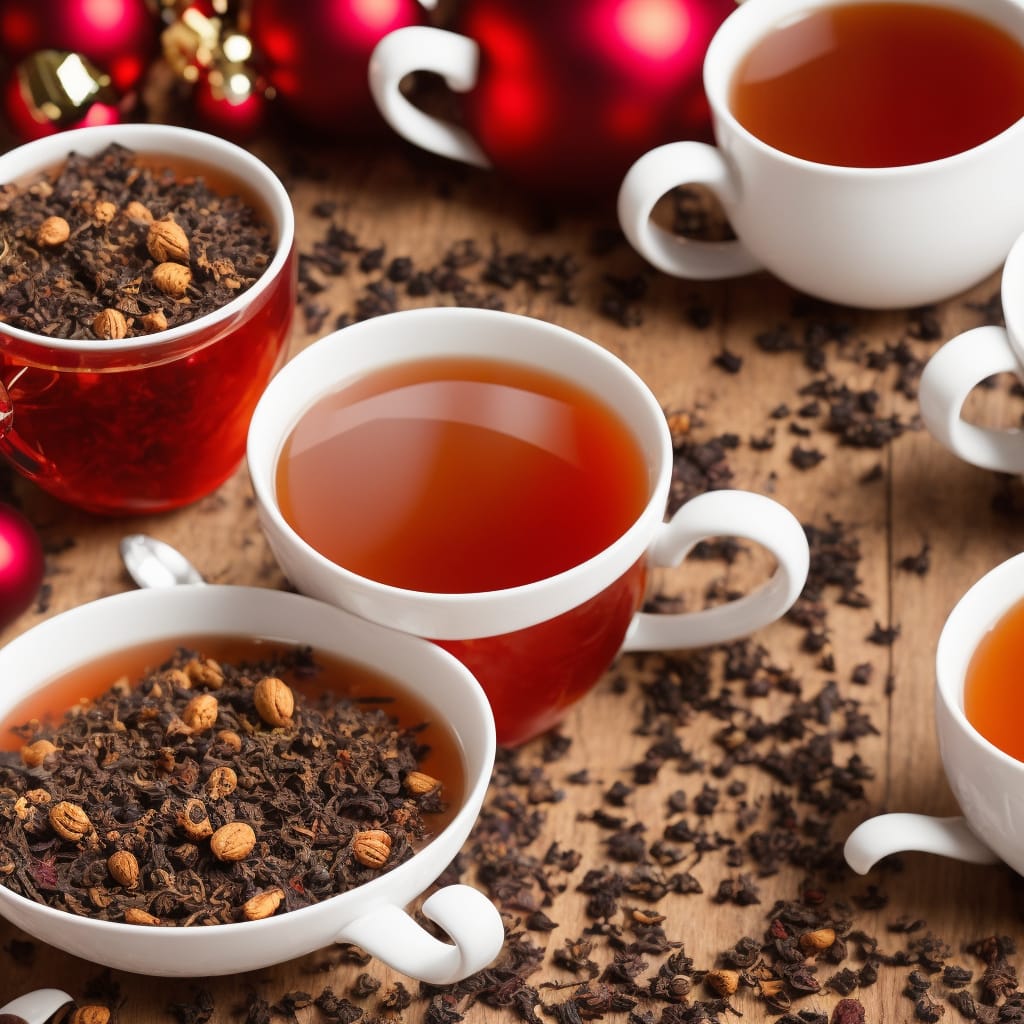
Tea is one of those aromatic beverages that works so well with biscuits and little treats. They are great sources of antioxidants and are good for your health. Settle in for a nice cup of hot tea to soothe your frazzled nerves, especially after a long day at work. These cups of warm delight can lift your spirits in many ways. But not all tea comes in warm, hence we have many iced tea recipes as well. Try tea as an ice-cold drink with added flavors of lemon, mint, and tasty spices. A cup of that is enough to energize you for the whole day. Or if you like a fancy cup of milk tea like the British royals, we also have just the right tea recipe for you. Find out how you can recreate these special homemade tea recipes today!
Read More
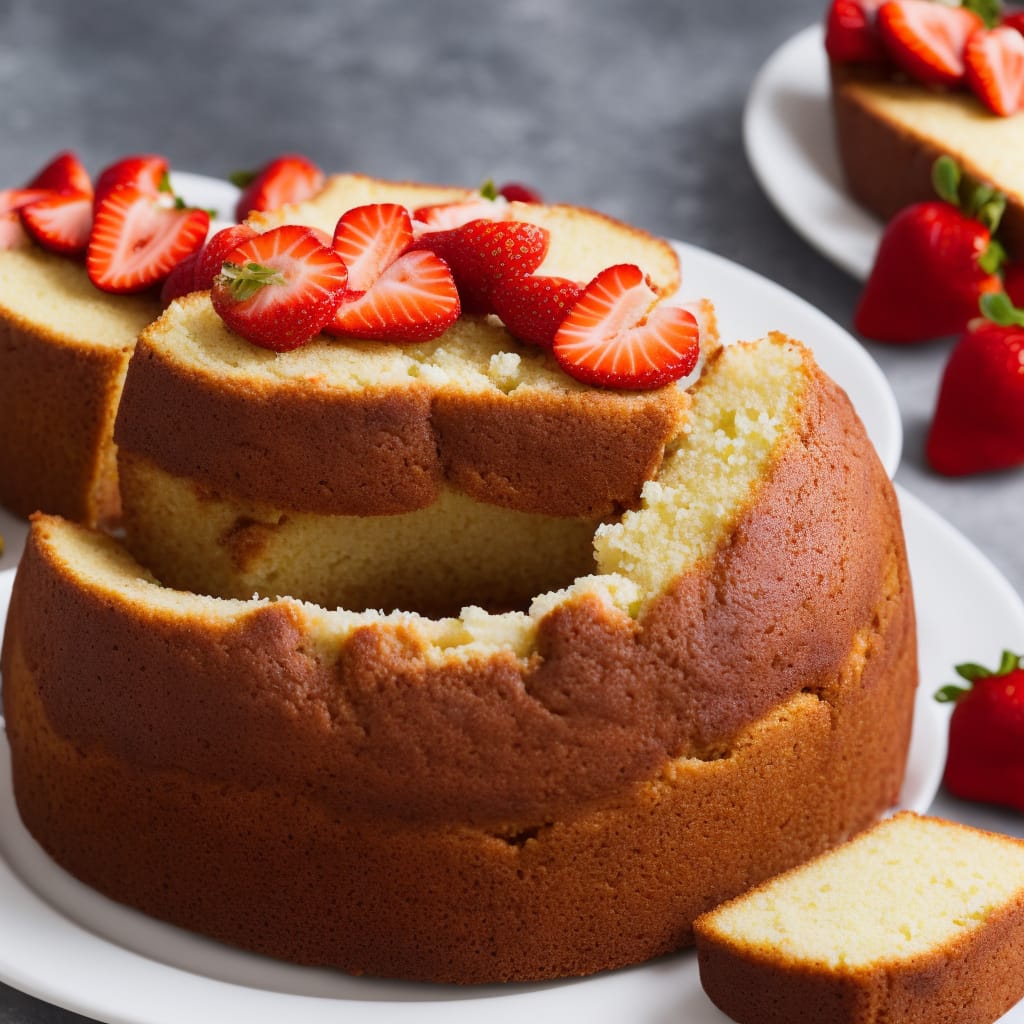
Cakes are the quintessential dessert. They're most popular as dessert for special celebrations like birthdays and weddings. Moreover, they're also great for wrapping up meals with something nice and airy. Make your favorite cake with our amazing cake recipes! Go as rich and as decadent as you want with delectable chocolate cakes. Or, keep things simple with yummy cheesecakes. Our amazing cake recipes will win the hearts of any dessert connoisseur!
Read More
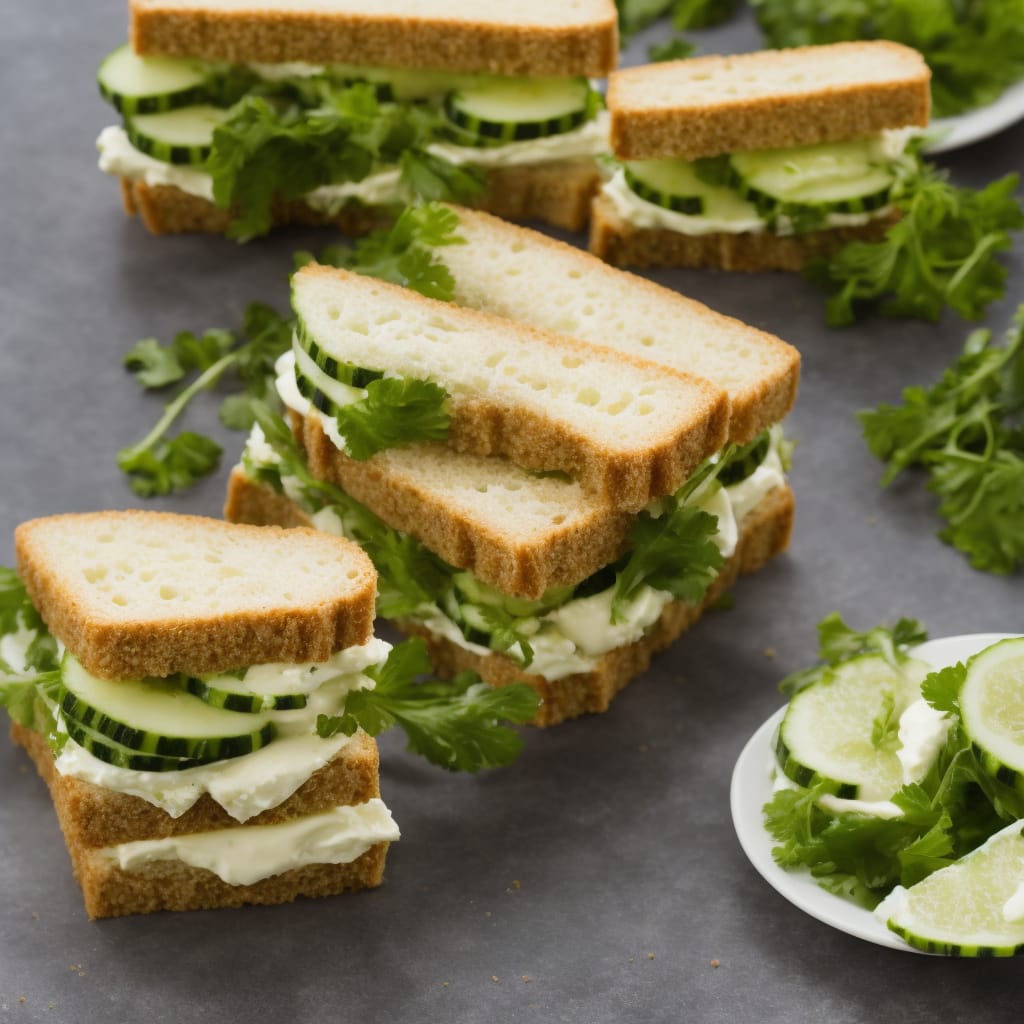
Get creative and experiment with different fillings to make the ultimate sandwich. These sandwich recipes come in handy for those looking for a quick, but filling bite. Enjoy a variety of sandwiches with tasty spreads, meats, and other sweet and savory fillings. Our sandwich recipes also come with unique and more well-known flavors! So get your favorite bread, and try out some of these flavorful sandwiches today.
Read More
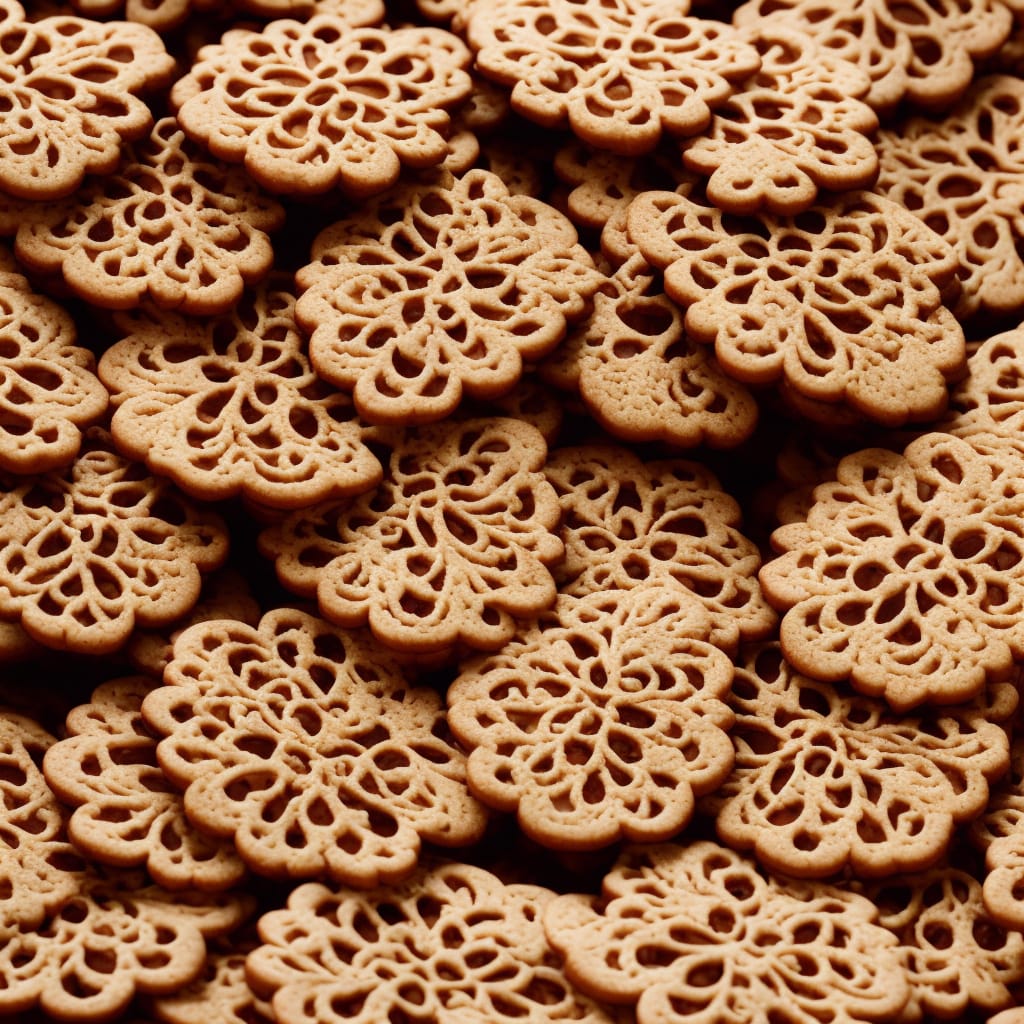
Make a fresh batch of everyone's favorite dessert! With these cookie recipes, you can bake all kinds of different sweet treats. Make a classic snack with chocolate chip cookies. Or, switch it up by adding nuts, raisins, and other ingredients to keep things interesting.
Read More
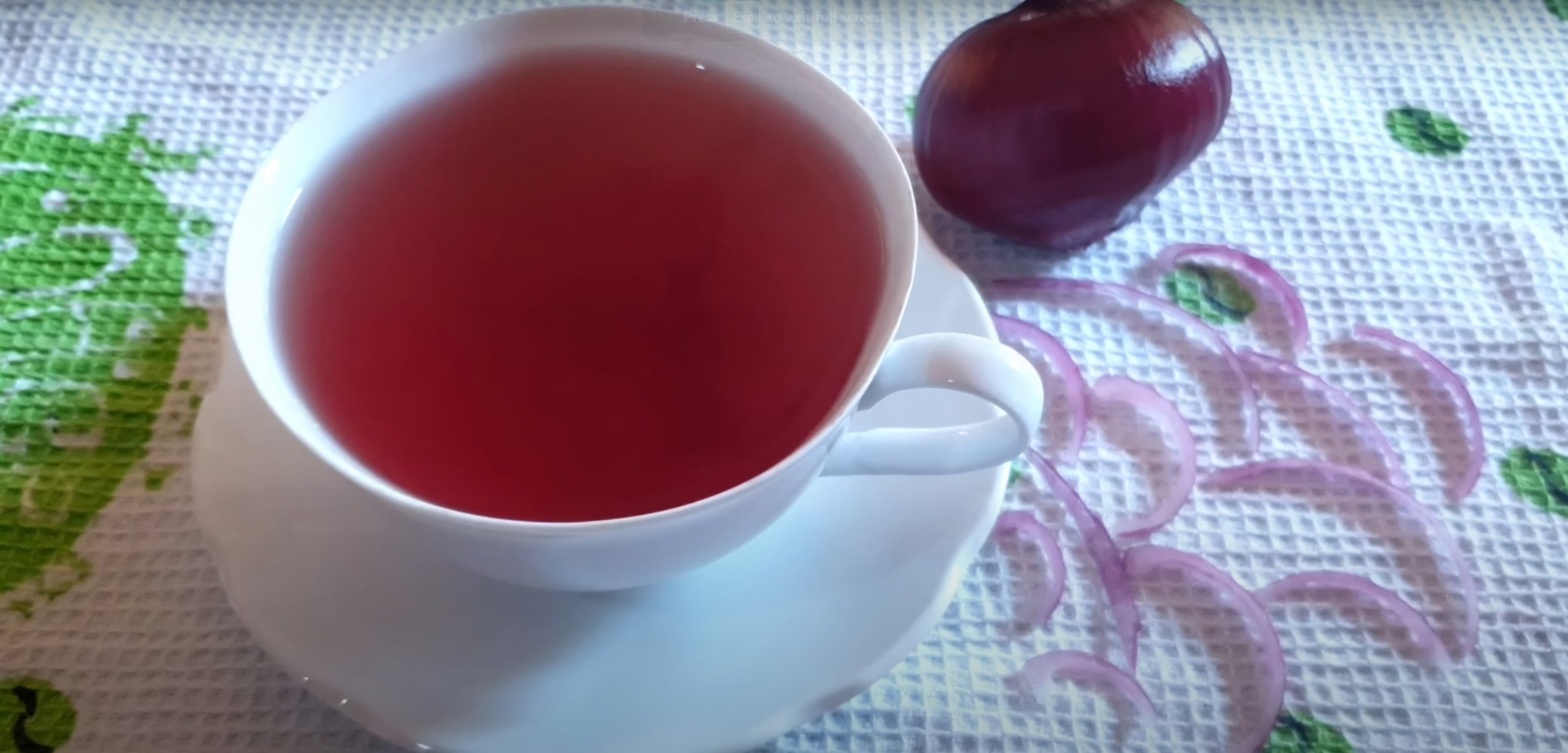
Tea is one of those aromatic beverages that works so well with biscuits and little treats. They are great sources of antioxidants and are good for your health. Settle in for a nice cup of hot tea to soothe your frazzled nerves, especially after a long day at work. These cups of warm delight can lift your spirits in many ways. But not all tea comes in warm, hence we have many iced tea recipes as well. Try tea as an ice-cold drink with added flavors of lemon, mint, and tasty spices. A cup of that is enough to energize you for the whole day. Or if you like a fancy cup of milk tea like the British royals, we also have just the right tea recipe for you. Find out how you can recreate these special homemade tea recipes today!
Read More
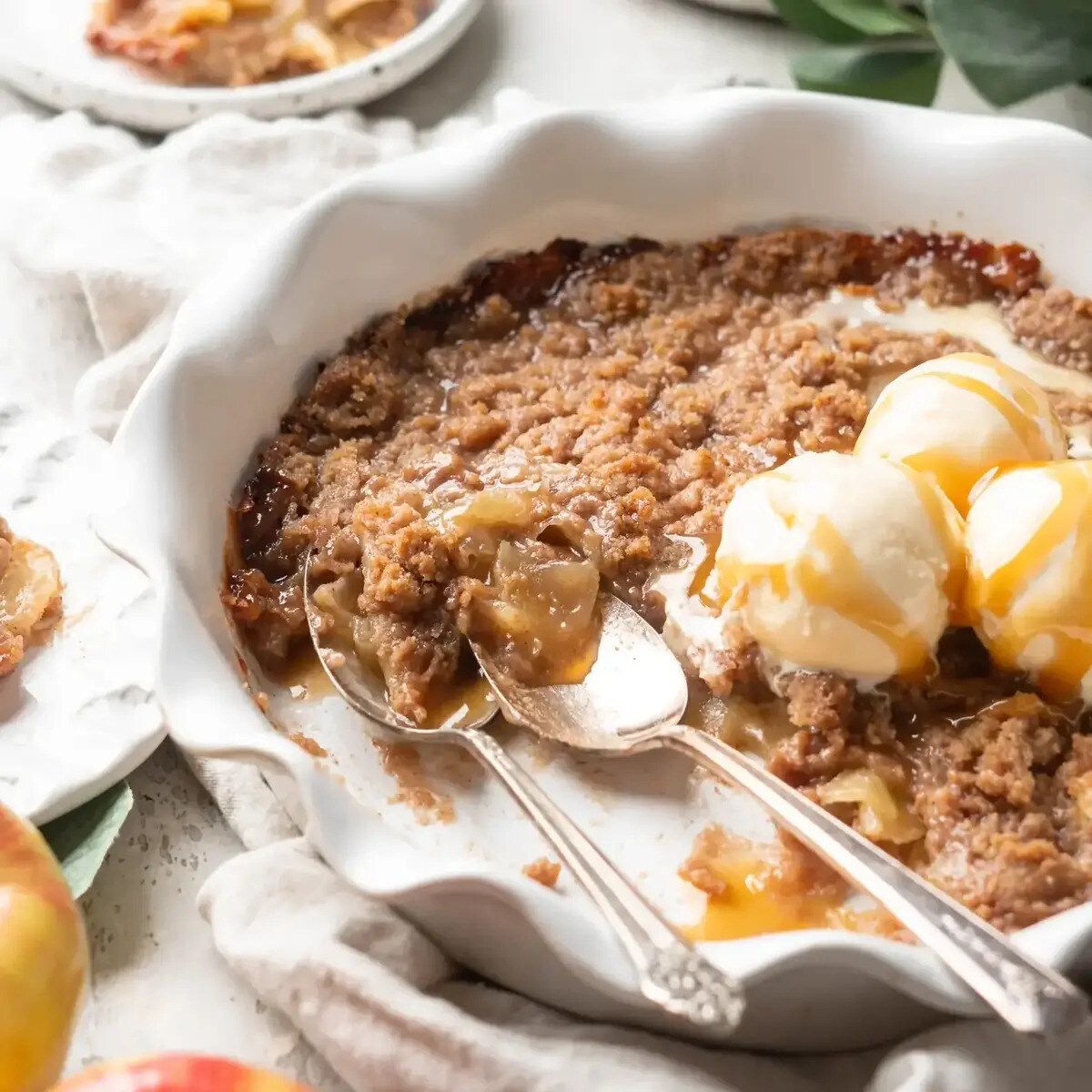
Tea is one of those aromatic beverages that works so well with biscuits and little treats. They are great sources of antioxidants and are good for your health. Settle in for a nice cup of hot tea to soothe your frazzled nerves, especially after a long day at work. These cups of warm delight can lift your spirits in many ways. But not all tea comes in warm, hence we have many iced tea recipes as well. Try tea as an ice-cold drink with added flavors of lemon, mint, and tasty spices. A cup of that is enough to energize you for the whole day. Or if you like a fancy cup of milk tea like the British royals, we also have just the right tea recipe for you. Find out how you can recreate these special homemade tea recipes today!
Read More
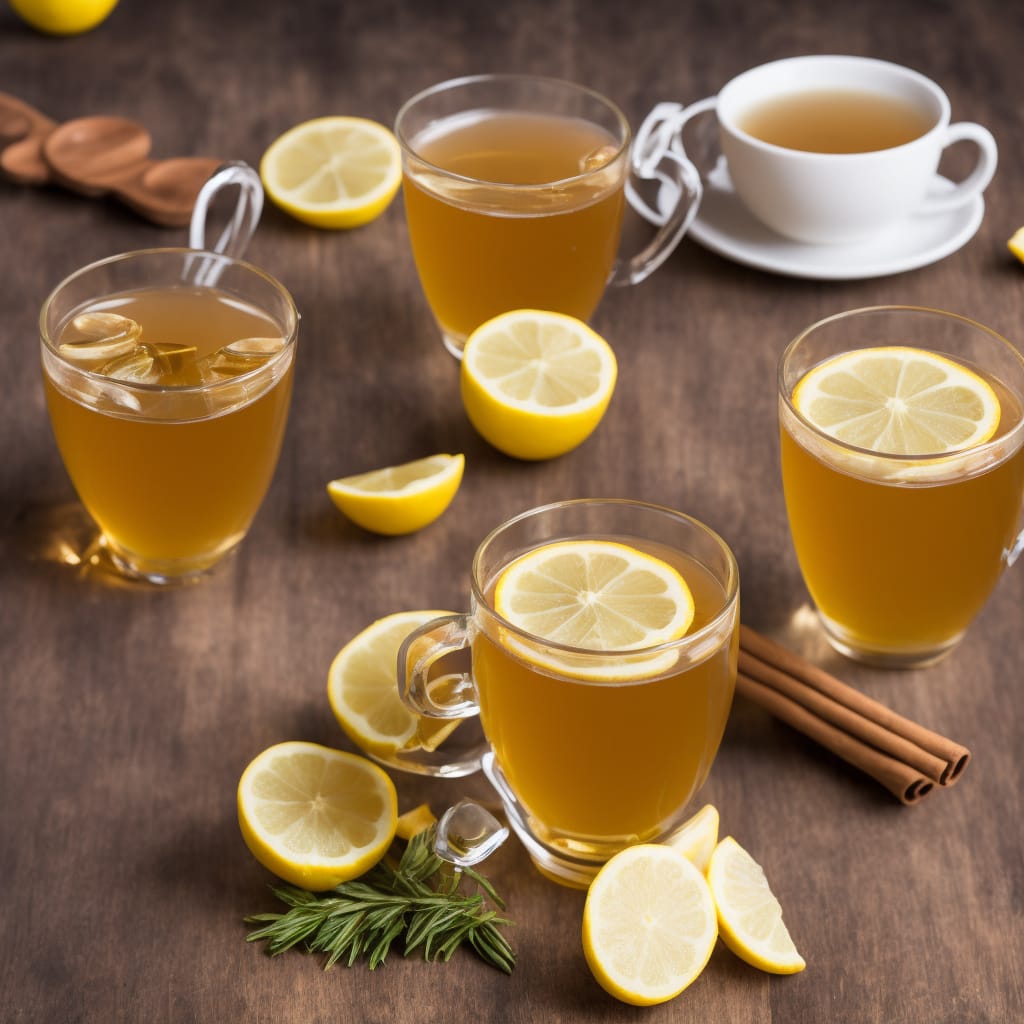
Tea is one of those aromatic beverages that works so well with biscuits and little treats. They are great sources of antioxidants and are good for your health. Settle in for a nice cup of hot tea to soothe your frazzled nerves, especially after a long day at work. These cups of warm delight can lift your spirits in many ways. But not all tea comes in warm, hence we have many iced tea recipes as well. Try tea as an ice-cold drink with added flavors of lemon, mint, and tasty spices. A cup of that is enough to energize you for the whole day. Or if you like a fancy cup of milk tea like the British royals, we also have just the right tea recipe for you. Find out how you can recreate these special homemade tea recipes today!
Read More
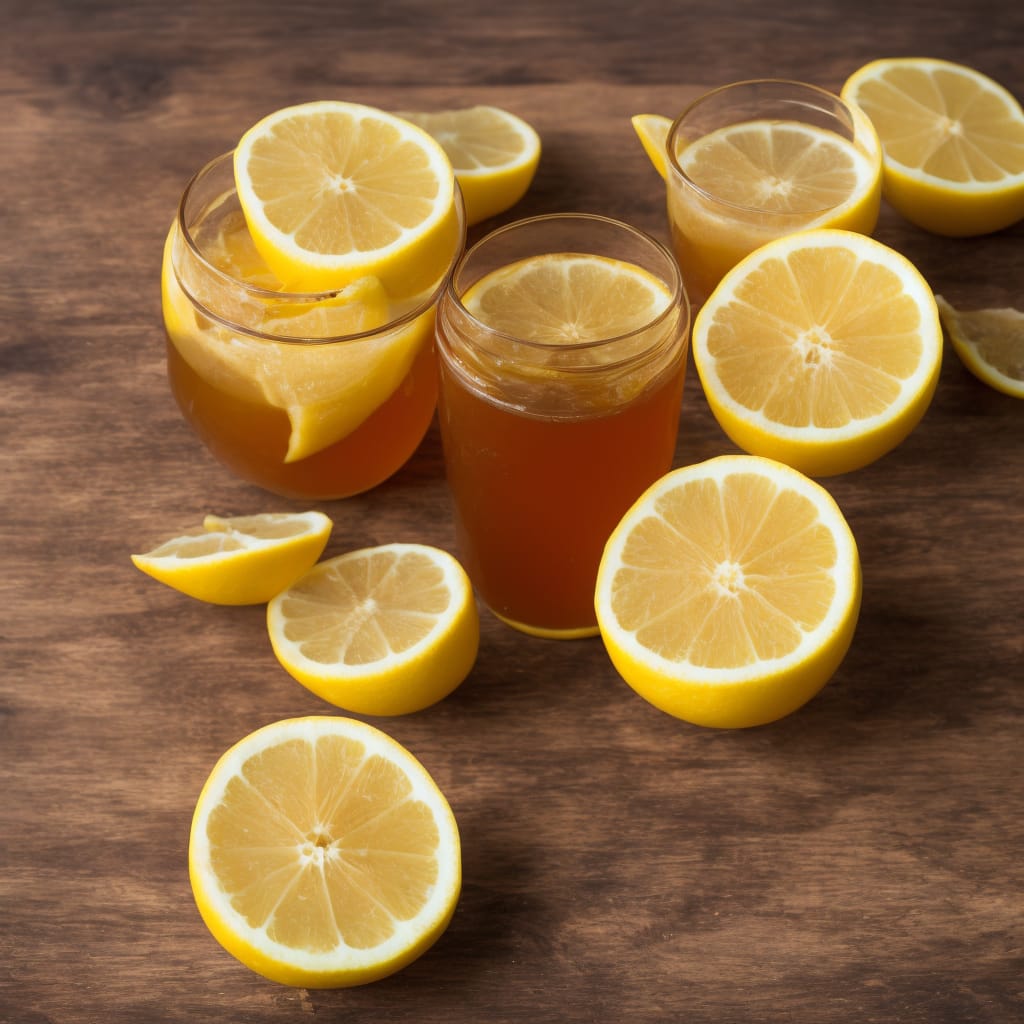
Tea is one of those aromatic beverages that works so well with biscuits and little treats. They are great sources of antioxidants and are good for your health. Settle in for a nice cup of hot tea to soothe your frazzled nerves, especially after a long day at work. These cups of warm delight can lift your spirits in many ways. But not all tea comes in warm, hence we have many iced tea recipes as well. Try tea as an ice-cold drink with added flavors of lemon, mint, and tasty spices. A cup of that is enough to energize you for the whole day. Or if you like a fancy cup of milk tea like the British royals, we also have just the right tea recipe for you. Find out how you can recreate these special homemade tea recipes today!
Read More
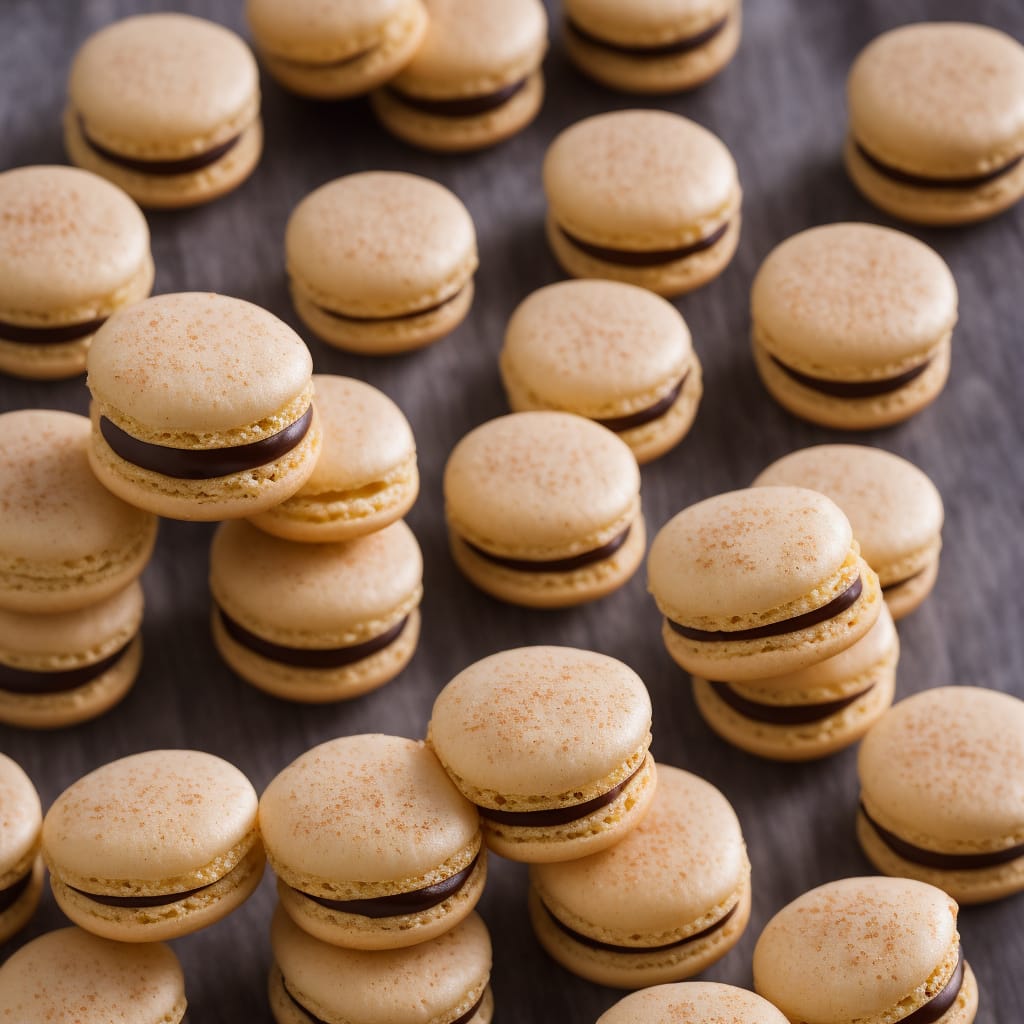
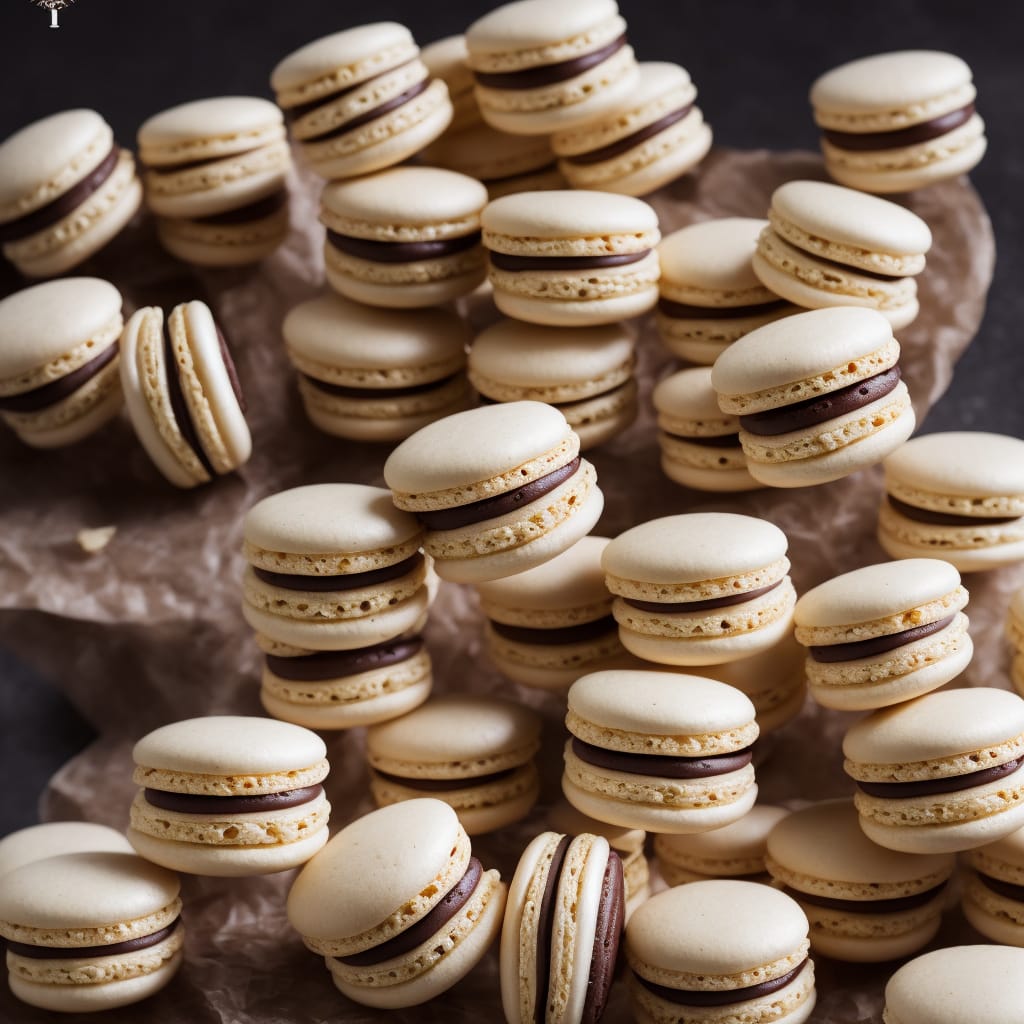
Make a fresh batch of everyone's favorite dessert! With these cookie recipes, you can bake all kinds of different sweet treats. Make a classic snack with chocolate chip cookies. Or, switch it up by adding nuts, raisins, and other ingredients to keep things interesting.
Read More
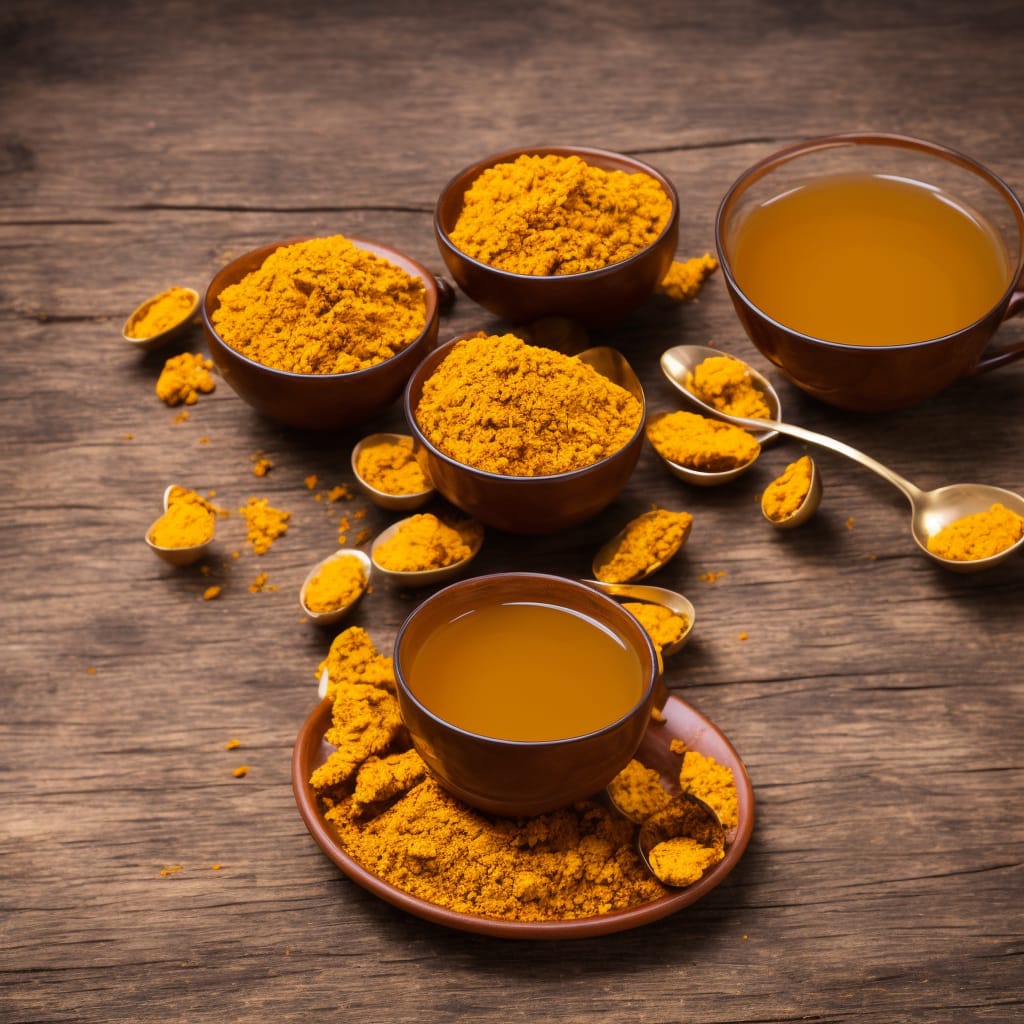
Tea is one of those aromatic beverages that works so well with biscuits and little treats. They are great sources of antioxidants and are good for your health. Settle in for a nice cup of hot tea to soothe your frazzled nerves, especially after a long day at work. These cups of warm delight can lift your spirits in many ways. But not all tea comes in warm, hence we have many iced tea recipes as well. Try tea as an ice-cold drink with added flavors of lemon, mint, and tasty spices. A cup of that is enough to energize you for the whole day. Or if you like a fancy cup of milk tea like the British royals, we also have just the right tea recipe for you. Find out how you can recreate these special homemade tea recipes today!
Read More

Tea is one of those aromatic beverages that works so well with biscuits and little treats. They are great sources of antioxidants and are good for your health. Settle in for a nice cup of hot tea to soothe your frazzled nerves, especially after a long day at work. These cups of warm delight can lift your spirits in many ways. But not all tea comes in warm, hence we have many iced tea recipes as well. Try tea as an ice-cold drink with added flavors of lemon, mint, and tasty spices. A cup of that is enough to energize you for the whole day. Or if you like a fancy cup of milk tea like the British royals, we also have just the right tea recipe for you. Find out how you can recreate these special homemade tea recipes today!
Read More
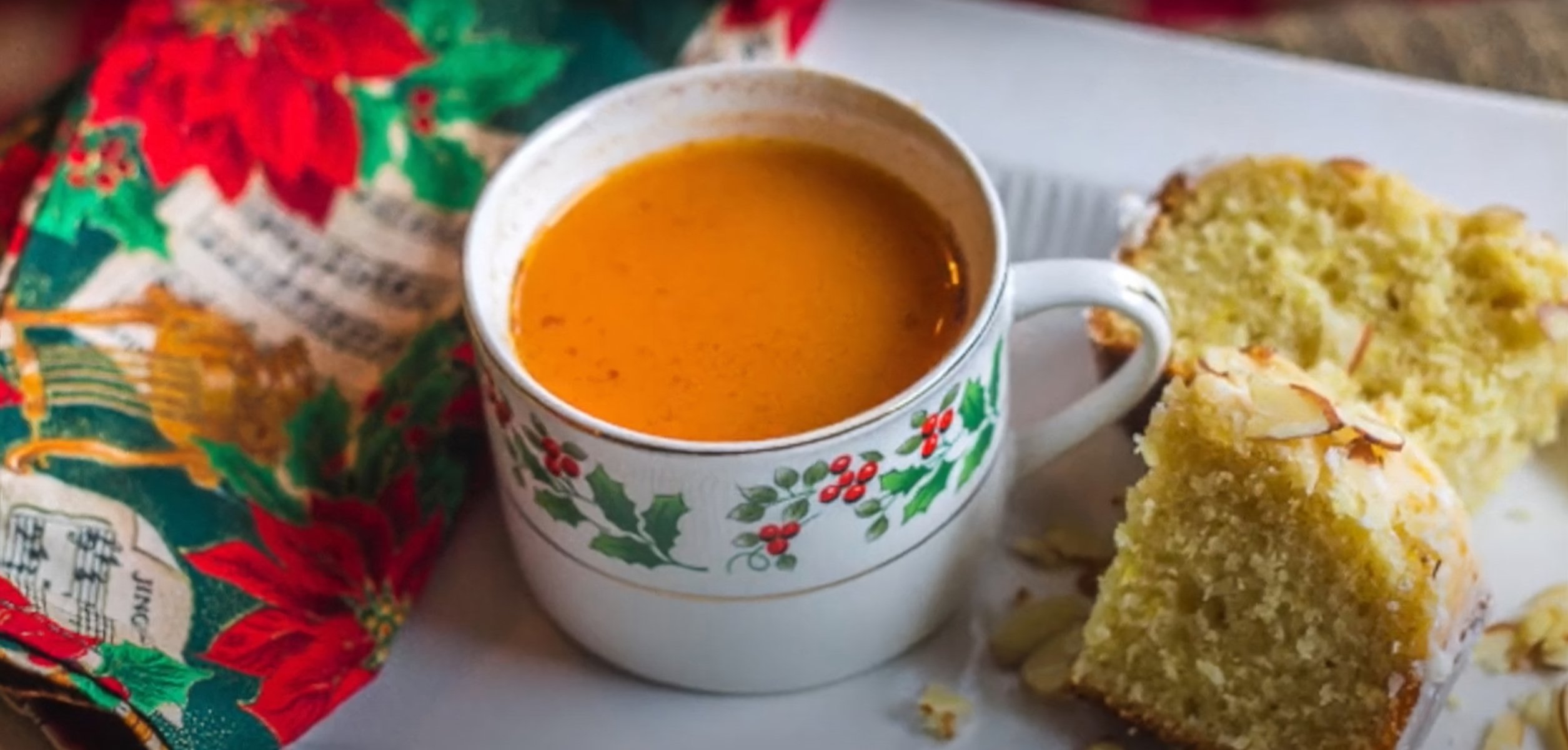
Tea is one of those aromatic beverages that works so well with biscuits and little treats. They are great sources of antioxidants and are good for your health. Settle in for a nice cup of hot tea to soothe your frazzled nerves, especially after a long day at work. These cups of warm delight can lift your spirits in many ways. But not all tea comes in warm, hence we have many iced tea recipes as well. Try tea as an ice-cold drink with added flavors of lemon, mint, and tasty spices. A cup of that is enough to energize you for the whole day. Or if you like a fancy cup of milk tea like the British royals, we also have just the right tea recipe for you. Find out how you can recreate these special homemade tea recipes today!
Read More