Home
  BUY TEA >>
Site Search
Green Tea
Wulong - Oolong
Black Tea
White Tea
Herbals - Tisanes
Flavored Tea
Iced Tea Recipes
Chai Tea
Rooibos - Red Tea
Holy Basil - Tulsi
Facts About Tea
Tea & Health
Brewing & Equipage
  Tea Party Hosting
Gifts & Tea Sets
Tea Resources
About Us

[?] Subscribe To This Site

XML RSS
Add to Google
Add to My Yahoo!
Add to My MSN
Subscribe with Bloglines

Japanese Green Teas

Japanese Green Teas Offer a Tempting Array of Choices

Japan is one of the world's premier tea countries, producing some of the highest quality tea available. Unlike other tea-producing countries, Japan’s efforts are focused entirely on green tea. In contrast to China's 600+ cultivars, all Japanese teas come from one cultivar: the yabukita clone.

green teaOther than matcha, all Japanese green teas are processed using the Sencha leaf-rolling method, which involves briefly steaming the teas before being rolled, dried and fired in an oven. Despite these commonalities between Japanese green teas, there remains a remarkable variety in Japan’s arsenal of teas.

Sencha

Sencha is Japan’s most popular tea, consumed throughout the year. It is a sun-grown tea made from the first leaves that appear on the tea bush. The finest senchas come from the year’s first harvest, in spring, with the quality deteriorating with subsequent harvests.

Sencha’s popularity has led to a rise in senchas grown outside of Japan being passed off and sold as Japanese senchas. To avoid this, look for senchas which are identified by their origin (Kagoshima, Uji and Shizuoka are three of the best known tea regions in Japan).

Bancha
Bancha is a lower-grade among Japanese green teas, made from the leaves that grow on the tea bush several weeks after the leaves used for sencha have been plucked. The leaves are tougher, and they like the finer polyphenols found in sencha leaves.

Bancha tends to be a little more brash as a result; but it is also less expensive and offers an interesting counterpoint from which to view and understand sencha’s finer qualities.

Hojicha

Hojicha was invented by an enterprising Japanese tea merchant in the 1920s, who came up with the novel idea of roasting excess tea stalks, which had before then been discarded.

Modern-day hojicha usually consists of a mixture of leaves and stalk. Good hojichas are highly aromatic and taste somewhat sweet.

Genmaicha

Genmaicha is a blend of green tea and rice. It usually consists of bancha green tea, but some companies have also created genmaicha blends using sencha or matcha as a base. The tea has a savory, toasty quality which makes it a great accompaniment to meals. You can often find it served at Japanese restaurants.

Gyokuro

Gyokuro is among the most sought after Japanese green teas. It is shade-grown for four weeks before harvest, which gives it a unique, intense flavour that is not as astringent as sun-grown teas like sencha or bancha. Brewing gyokuro is a fine art, where a few seconds can dramatically affect the flavour of the tea.

High quality gyokuro is very expensive, and it is common to see it priced at over $50 USD for a 100-gram packet.

Matcha

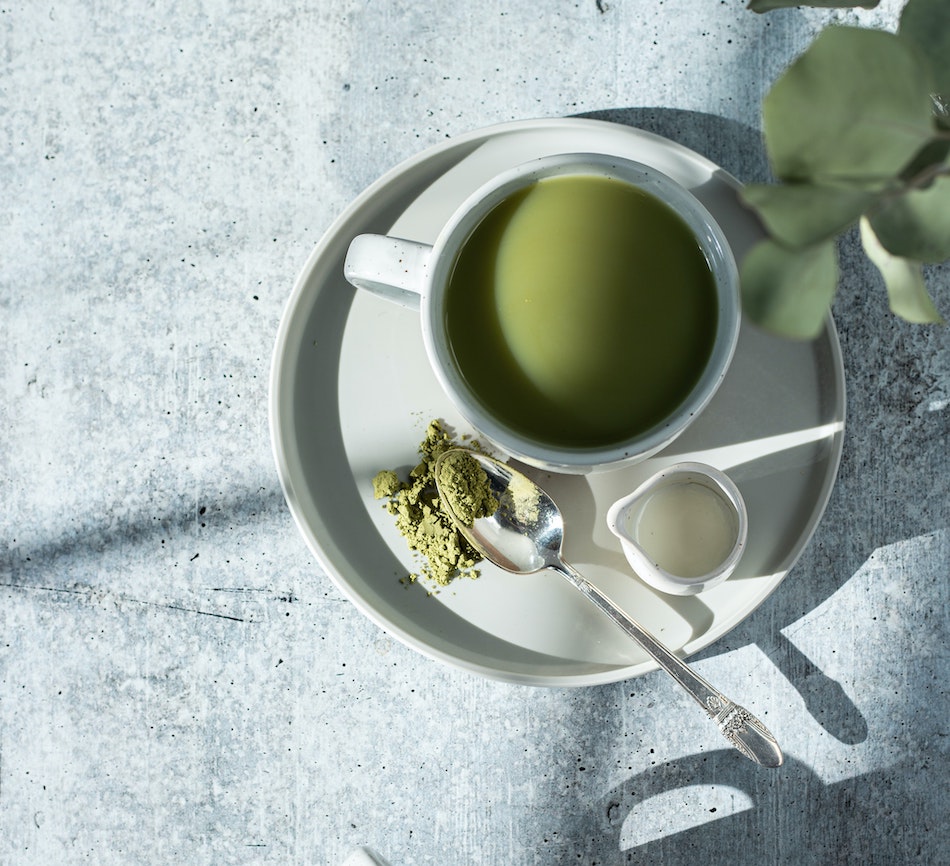
Popularized by Starbucks with their green tea frappacinnos, matcha is a powdered green tea. It is a key part of the Japanese tea ceremony, and ceremonial-grade matcha (kama matcha) is now a rare delicacy for tea drinkers.

Traditionally, it is made in a special matcha bowl, known as a chawan, by whisking the powder with a matcha whisk. Lower-grade matcha is often used when making green tea icecream or frappacinnos.

Shincha

Shincha is a special batch of tea sold between May and June, just after the year’s first harvest. While other teas are put into cold storage after harvest, allowing stores to sell them fresh throughout the year, shincha is packaged for immediate sale. A rarity, shincha is generally priced higher than other green teas.

This article was written by tea expert Eric Daams of Tea Finely Brewed. For more about tea, visit his tea blog.

Related Information

Matcha Green Tea
Japanese Tea Ceremony
Health Benefits of Green Tea


Return to Learn About Tea HOME page from Japanese Green Teas article


footer for japanese green teas page